After the Ryder Cup, we spent a couple of days in Paris, Debra’s favorite city, before re-boarding the ship for a quick run through the Med. As always, we loved our stop in Bordeaux – such a pretty city. I’m a beer drinker, but can say I’ve never had a Bordeaux wine I didn’t like.
Most amazing was a quick storm that passed over while we were there. Here are a couple of photos, but also, take a look at this quick time-lapse video I took!
Next a stop was Cadiz, Spain a truly lovely place on the coast. The “old town” goes for blocks and blocks and seemed very authentic with few tourists. Maybe it was due to the time of year, or maybe the remoteness, but we are looking forward to going back in the summer of 2019.
In Rome we were joined by good friends Dave and Lori to combine lots of laughs with lots of history. After stops in Mallorca, Alicante, and Madeira, we headed to our new place in Miami Beach for the winter.
We love to “collect” special events – music festivals, Carnival, Olympics, championships in any sport, etc. When we realized that the 2018 Ryder Cup was not far from where we were our trip was taking us, we organized an excursion with some friends from the ship. First we went to play a couple of rounds at Le Bordes, an impossibly difficult track built by Baron Bich of Bic Pen fame. We had no business being there, but as one of the most exclusive clubs on the Continent, we had to try.
Then on to the final 2 days of the Ryder Cup. It was cold and windy, but the excitement of the 100,000 fans made it exhilarating. We arrived at sunrise but the bleachers were all full. We waited near the green on the first hole. For 2 hours the crowd chanted and did the wave. Then, when the first golfer addressed the ball on the fairway in front of us – the place went completely silent. I can’t describe how nervous I felt for the golfer – I can’t imagine the pressure. Sadly the U.S. did not play well, but it was a special weekend, and I’m glad we went.
Les Bordes
Ryder Course
The crowds
We took a young friend who is an Irish PGA teaching pro and made a funny video for him to remember the event. By way of set-up. . . though I rented a house very close to the course, you couldn’t walk in. The parking pass we had for Saturday was miles away, but our Sunday pass was not. So I did a little counterfeiting job and we were all nervous that it wouldn’t work. Here’s the video (6 mins):
Ireland is fun, we’ve been before – but this time we took friends to the ship and spent a couple of weeks in Dublin, Cobh, and the Isles of Scilly, an archipelago of small islands off the Southwest corner of England.
We were fortunate enough to meet up with Herbie and Di, our dear friends from New Zealand who happened to be in Dublin. I forced them to join me on a golf outing despite 48 degree weather and 30 mph wind. Gave up after 7 holes and 7 lost balls when the rain started.
Did the compulsory Dublin pub crawl and Jameson Whisky tours before heading to Cobh (County Cork). Cobh (pronounced “Cove”) is most noted for being the last port from which the Titanic sailed. There’s a fun little museum with role playing that will convince you that it was not a “luxury” liner for very many!
We were pleased to find we hit the otherwise sleepy town during a blues festival that had some great music in the bars.
I put together a small sampling (plus a touch of the windy golf) in this 3 minute video:
Then we sailed to a couple of the Isles of Scilly in Cornwall. And here we got lucky with music too. Seems every year they have a race weekend for “Pilot Gigs” – 6 oared lifeboats from the early 1800’s. After the races are over, comes the drinking and singing. Large groups of mostly men singing beautiful folk harmony. It was a nice surprise.
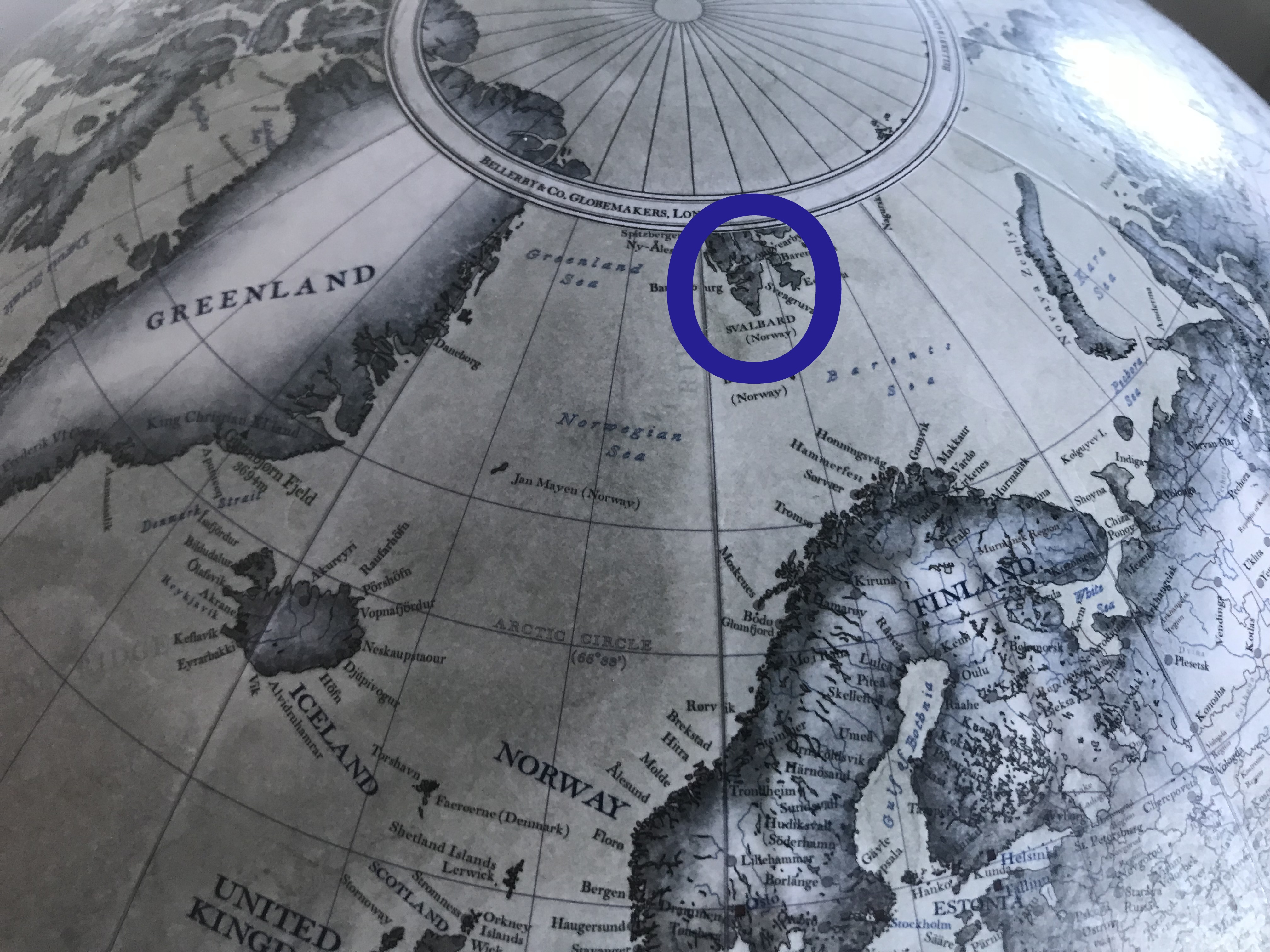
We left our friends Gerard and Francoise in northern Norway while they continued on the ship for an expedition to the Svalbard archipelago and the southern limit of the Arctic Sea’s ice. How far north you ask? 500 miles from the North Pole!
Svalbard Archipelago
Having played midnight golf in Norway, I checked my weather app to see what time of night the sun would set in Svalbard when they arrived on August 5th. The app said “August 21!” Svalbard is even further north than where we went in Greenland three years ago. In fact, after last year breaking the Guinness Book record for the farthest south any ship has gone, the ship became the record holder for the farthest north a passenger ship has ever traveled when it reached 82°41´ N.
Anyhow, we left the ship, I made Gerard and Francoise promise to draft an entry for the blog. Cheating? I know. While they documented slogging through the ice and snow, I was laying by my pool with a Coors Lite. But that’s not good blog material – their notes and pictures are.
I’ve taken the liberty to edit and simplify for semi-literate readers (like me). If you want to better understand how pelagic phytoplankton, algae, and copepods contribute to the arctic food chain, I can give you Gerard’s email!
Polar bear’s ecosystem and diet
A complex and delicate ecosystem provides a food chain that supports arctic cod, birds and sea mammals (like seals, walruses and whales) cohabiting at the ridge of the sea ice. This makes for an open buffet for the polar bears who are so fond of… blubber! Blubber diet is certainly not cholesterol free but polar bears do not care about what the doctors say. They just love blubber. In fact they need it more than anything to build enough reserves of fat if they want to survive the winter.
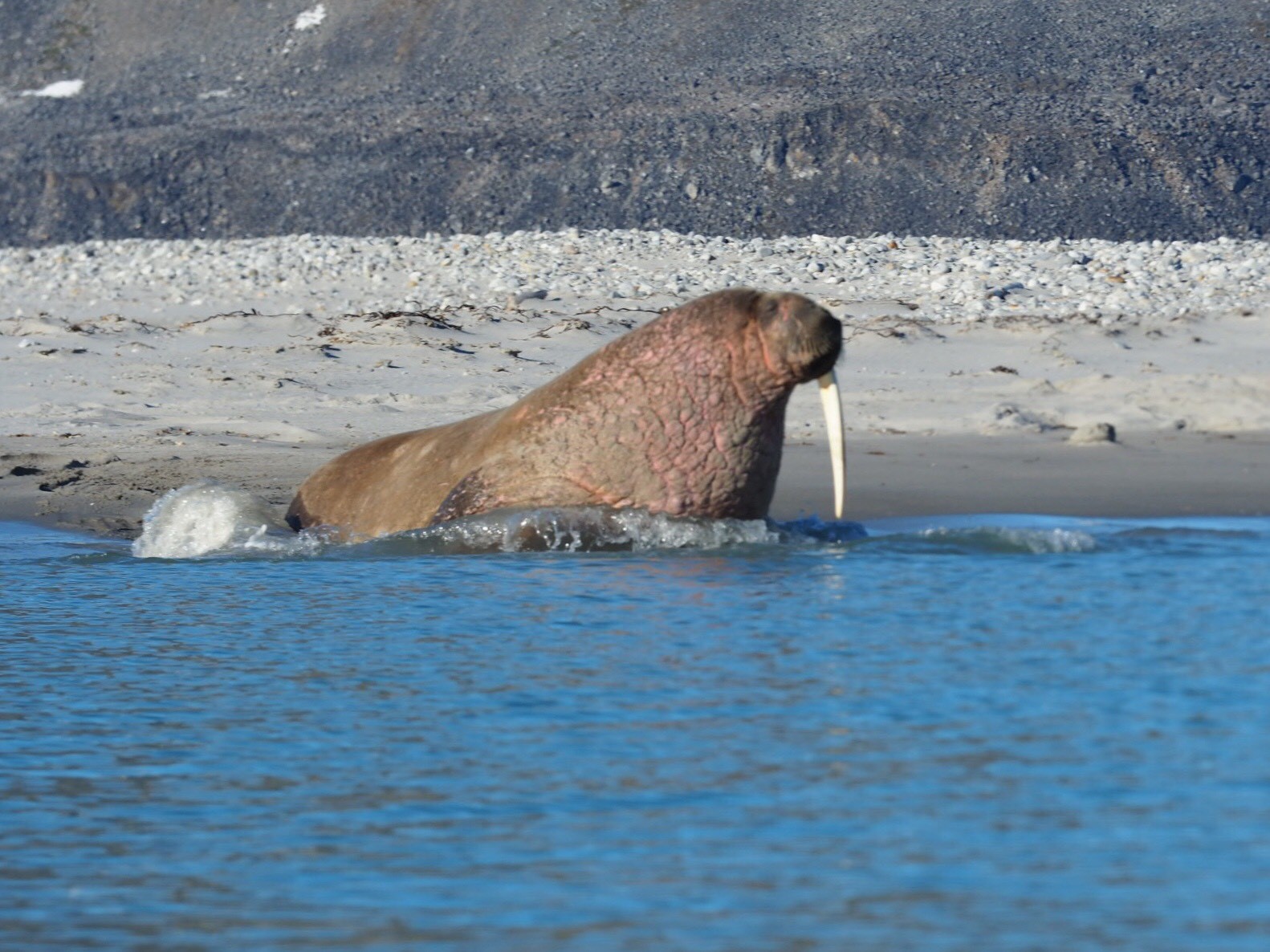
A polar bear is able to eat as much as 10% of its own mass in less than an hour (think about that), and another 10% in the following hours. Looking for blubber, a polar bear will preferably hunt ring or bearded seals but walruses are targets, too, though they are more fierce defenders (due to their tusks.) After killing a seal, a polar bear will eat the blubber only, leaving the carcass with all the meat on it for the arctic foxes and the gulls. A seal a week is enough to help them keep their reserves of fat, but they will kill one every day if they have the opportunity.
A fragile balance
To illustrate how fragile the environment is, just have a close look at the pictures below. The climate would suggest a topography like the barren and arid rocks on the right side of the first picture. But the the area is home to the largest colony of gulls, terns and kittiwakes in the northern hemisphere – nesting high on the cliffs. Their guano [poop – db edit], washed down by the rain, keeps fertilizing the ground thus allowing moss and grass to grow. There were even herds of reindeer grazing peacefully on a rich grass prairie while the arctic foxes were just looking forward to some young guillemot leaving the nest for its first flight… and not making it to the sea. The arctic tern, by the way, flies all the way to the Antarctic every year, travelling 1.5 million miles in a typical lifetime!
We enjoyed every moment of this Svalbard expedition which gave us the opportunity to come close to this well-preserved fauna and scarce but amazing flora. No doubt it will remain forever in our memory.
As in the last 4 years, we took a short break from our beautiful Connecticut summer to see parts of the Northern Hemisphere we haven’t visited before. Two years ago, we went to Northern Europe, but didn’t get to Norway. This summer, we started in Amsterdam and sailed all the way up to Tromso, Norway in the Arctic Circle joined by two dear friends from France.
As you probably know, the coast is a beautiful series of fjords with towering cliffs and mountains. The towns along the way are architecturally elegant, quaint and pristine. The country always ranks as one of the happiest countries in the world. Social programs, free education, and low unemployment help. They’ve had a bit of help from oil.
While oil was discovered in the North Sea in the late 1960’s, it wasn’t deemed practical to extract until the 1973 oil crisis drove up prices. In addition, technology investments totaling more than NASA spent to go to the moon helped solve many of the problems with drilling in fierce weather and seas. The boom that followed provided investment, jobs, good wages, and of course – inflation. It seemed odd that a meal in their small towns cost as much as New York City. But with an eye towards the future without oil, Norway has diligently saved their oil royalties. Their sovereign fund (government pension fund) is the richest in the world and now tops 1 TRILLION dollars – $200,000 per citizen!
Anyhow, we enjoyed a lovely two weeks with good friends, spectacular weather, lots of golf (very difficult courses), great food (excluding greasy whale sausage and nasty lutefisk), and the long, long days of summer. We even played a round of “midnight golf” in the 4-hour dusk of northern Norway. I didn’t know this, but the Arctic Circle is actually the artificial line above which the sun never quite sets on the summer solstice, nor quite rises on the winter solstice. In fact, because the axis of the earth’s tilt wobbles a bit over time, the Arctic Circle moves with it.
We’ve been to Carnival in Rio twice, and loved everything about it. But for a change, this year we checked out the celebration in three other communities. In Recife, we saw a much more spontaneous, family-based event. Groups of musicians and drummers wander through the streets with everyone following and dancing. One million happy people who seem not to have a care in the world.
Then on to Salvador, where there are three different circuits, each with a different style of performers. In Pelourinho (the old town), traditional groups march through the narrow streets playing drums that reverberate for blocks. But the big event is at night along the main drive by the ocean. 2.5 million descend to hear the biggest names in Brazilian entertainment. Bands play with deafening volume on the tops of massive trucks called Trio Eletrico. A sea of humanity packs the route jumping up and down to the music. They’re called “pipoca” meaning popcorn – it’s obvious why!
Fortunately, we booked a suite on the second floor to watch the festivities – my claustrophobia would not have allowed me otherwise.
It was great fun, but nothing to compare to the Sambadrome event in Rio. We tell everyone that going to the Rio Carnival competition is a must for every bucket list. See posting from February 2016 and watch the video to get a preview.
After the intensity of exploring Cuba, we decided to take a “culture break” and chartered a yacht for a relaxing wedding anniversary week in Miami.
Miami by night
Miami by day
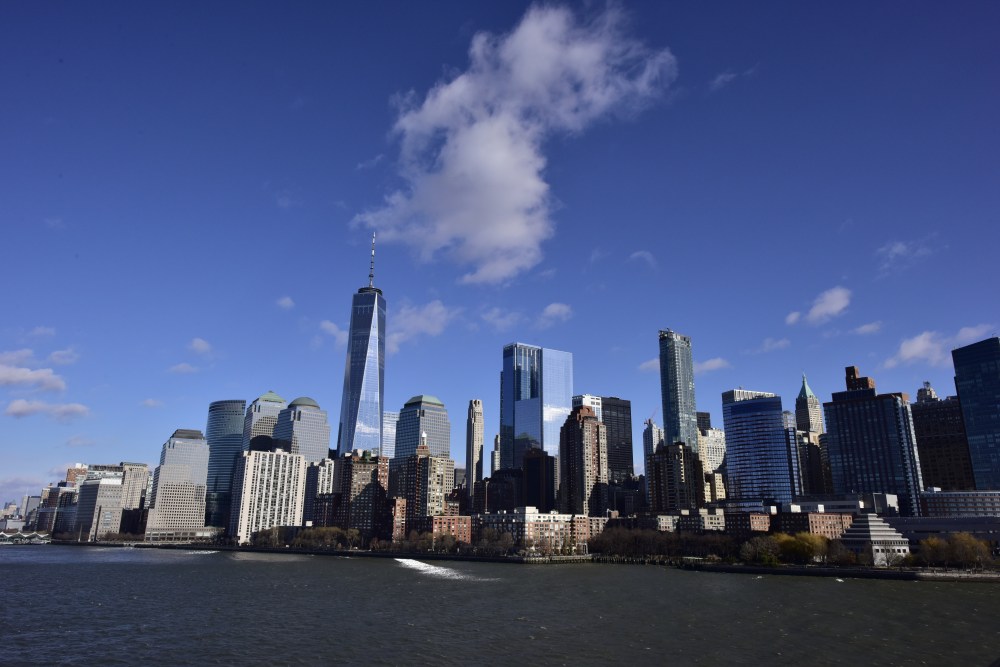
Then we joined the ship for the sail into New York City. It was beautiful, but so cold and windy it was hard to even take pictures!
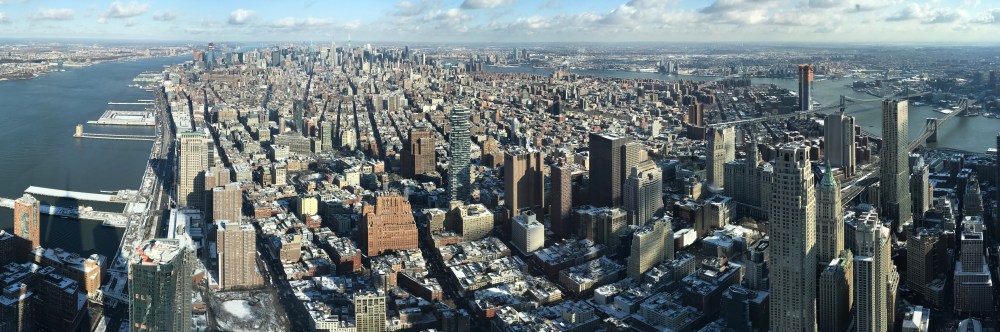
While in the city, we finally toured the 9/11 memorial and museum followed by a ride up to the observation deck of the the new 1,776 foot Freedom Tower (One World Trade). We spend 3 hours in the museum and could have stayed a lot longer. The Freedom Tower tour has a couple of clever surprises that make it worthwhile – I won’t spoil it for you. Both are highly recommended, especially if you buy “pre-open” tickets for the museum to avoid the crowds and a premium ticket to the tower to avoid the elevator line – both should be purchased on their websites.
Next we went home to Connecticut to celebrate the season with the family. We also had some beautiful solstice sunsets beyond the Manhattan skyline. In December, the sun almost sets far enough south to silhouette the city and the cold crisp air eliminates any haze.
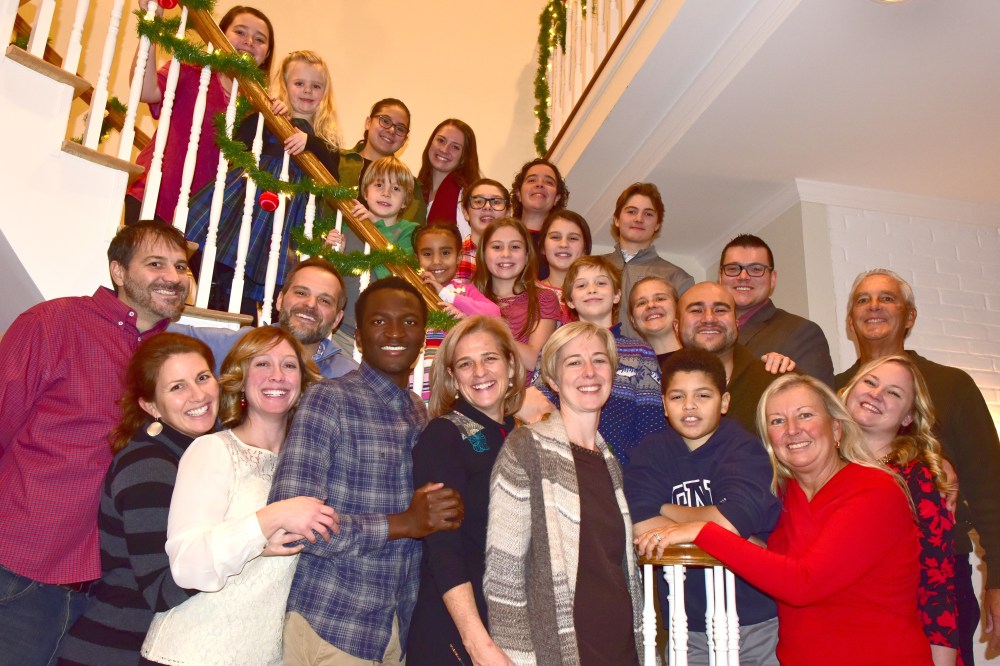
We unpacked, shopped, wrapped, decorated and cooked for 8 days in preparation for a big (26) visit by almost the whole family. It was so great that they all could make it despite their busy schedules. It was a highlight of our year for sure.
Despite new rules regarding US citizens going to Cuba, we were able to continue on our planned visit as we had planned it as a “cultural exchange” which are still allowed. Because of the unique history and culture, the limited accessibility and the photo/music-rich environment, I decided to do an expanded blog post. We had three major stops – Cienfuegos on the Southwest coast, Santiago de Cuba on the Southeast coast, and Havana.
Cienfuegos
We visited an arts conservatory named after Benny More, Cuba’s most famous musician. Here, the best young students from around the country come for 6-12th grade to study art, ballet and music. At night we went to a great little “Paladar” – a home that was partially converted into a restaurant, and then to a local place with wonderful live music. Everywhere we went, locals wanted to talk to us and were happy to answer our questions.
Cienfuegos night
Benny More Art School
Benny More Art School
Benny More Art School
Benny More Art School
Benny More Art School
New friends
Paladar Bouyon 1825 crew
Trinidad
While docked in Cienfuegos, we took a side-trip to Trinidad – a very old and well-preserved colonial town. Though I’m sure it won’t last, there is very limited tourism yet, so the whole day had a very authentic feel. We watched a performance at “Palenque de los Congos Reales,” a with their soulful African-influenced music and dance.
Trinidad
Trinidad
Havana
For our trip to be authorized, we had to maintain a full schedule of “educational activities with meaningful interaction with individuals in Cuba” so we asked the tour operator to arrange private visits to artists and musicians. We really enjoyed spending time in the homes of a photographer, a painter, a sculptor, and two musical groups. Tiempo Havana Music Group performed a range of traditional Cuban songs from different decades in the garage of a home. La Reyna y Real is a two woman team who are trying to take the anger and machismo out of hip-hop. We had a fun couple of hours with them and their family.
La Reyna y Real
Tiempo Havana
And, yes, they have beautiful old automobiles. On the way to Cuba, I wondered if there were just a few brightly-colored cars for tourism brochures. Turns out, there are an estimated 60,000 classic cars in the country. After the revolution (1959), no cars or parts could be imported from the U.S., and the Russian Lada was too expensive and unreliable to gain much of a following. Cubans have become “MacGyver-like” keeping them running. Those who keep them in good-shape provide taxi services for tourists. The colors enliven the city for sure!
We love live music and it was everywhere in Cuba. In almost every bar or restaurant, on the street, and coming from open-door homes in the alley. I made a short video trying to capture the range.
My take-aways
We tried to open our minds and recognize that for 60 years, both Cuba and the U.S. have delivered their share of propaganda. With four years of internet access, most Cubans are well-aware of what the outside world has to offer – but they have been conditioned to worry about what’s wrong with the U.S. – violence, the extremes of wealth and poverty, intolerance, and the other flaws of most capitalist economies. Most countries have tough visa restrictions because they worry visitors from Cuba will not go home, but I didn’t sense an overwhelming desire to leave the country they love. They have a tough life, but that’s what they know and have come to live with. Even the new 4 year presidential term limit worries some – change can be good or bad.
Here’s what surprised me:
There’s poverty – but it’s different than I expected.
Monthly rations
Everyone is provided housing (which they own), education, health care, a job, and monthly rations. The housing seems adequate, the education excellent (especially medicine and the arts), and health care is readily available (though drugs are limited). The monthly rations are minimal, but every man/woman/child gets a basic allotment every month virtually for free. Everyone gets a job when they want one – though it’s “assigned” and may just be some do-nothing government job. But the pay is terrible. Typically, $20-30/month – at the high end, a doctor may make $75/month. Maybe think of it as a poor college student with tuition, room and board covered and a $30/month allowance from home. But for your entire life.
Food in grocery stores is very limited, and the price is not unlike what we are used to. A slab of bacon is $4, a beer is $1. But think of it in the context of earning 13 cents an hour. Expats and tourists are the only people who eat in a restaurant – locals just can’t afford it.
Look at this typical grocery store. On the left is the meat and cheese section – all of it! On the right is everything else – behind a counter, with not much to choose from.
Meat and Cheese (all of it)
Everything else
In recent years they’ve started to allow a little free-market enterprise (30% now work outside the government, it used to be 2%). You can open part of your house and make it a shop or a restaurant – or you can sell vegetables if you are lucky enough to have nearby land to grow it. You can buy an old car and have a taxi business. Doctors and engineers drive taxis at night for extra income.
Most seem to accept that that’s how it’s almost always been (other than the early 90’s, after the fall of the Soviet Union – those were terrible years). Most would be uncomfortable with a sudden surge of wealth or even a dramatic change in the status quo. After failed CIA attempts to have the government overthrown (read “Cuban Project” on Wikipedia) and 60 years of an embargo by the U.S. hoping for a revolt, it amazed me that the people we met held no grudge against us. It was more a “why do you care how we live?” theme. I came away embarrassed.
It’s safe.
You would think with the poverty, there’d be crime. I’m sure there is some, but very little compared to the America. Gun crime is almost non-existent and I hardly saw any police presence. Maybe punishments are harsh, or maybe the old Soviet-era “report your neighbor” culture makes everyone a cop, or maybe, as one local said, “we’re all supposed to share, it’s just how we think.” True or not, it was so nice to be able to walk anywhere, day or night, and not worry.
Castro seems to have been a dedicated leader.
Fidel instituted and funded many art programs and turned former mansions into schools from the very beginning. He was a devout socialist and thought if they could become a magnet for arts and culture, the world would beat a path to
Private home (and gallery)
his experiment. He insisted that when he died, he didn’t want any big ceremonies, named streets, or statues, and was buried with just a simple grave stone.
In fact, pictures of Che Guevara are everywhere – as the leader of the socialist movement throughout Central and South America. But not Castro – it’s not that he was unpopular, they say he was charismatic (unlike brother Raul). I think he was dedicated to the Socialist mission and didn’t want his ego to compete with that. Can you imagine a typical dictator allowing the images of his partner (Che) to dominate the landscape and t-shirt shops for 60 years?
Havana is steadily revitalizing itself – it has great potential.
The architecture of former Soviet countries I’ve been to always seems boxy and gray (as is the Russian embassy here). Cuba has retained at least the shells of the buildings from the pre-revolution era. Most are in a state of disrepair. One of our guides told us to walk in the middle of the alley because a balcony might collapse. But Havana is making dramatic strides in renovation. They have a school to teach workers how to restore buildings using original methods. Taxes collected from tourist areas are plowed back into the area to further the improvements. If they maintain the current pace, it will be a beautiful tourist destination.
The old
The new
It’s not difficult to visit Cuba, even as a U.S. citizen. You just need to go as a “group,” which can be 2 people – and pay an authorized tour operator (we used CET) to arrange the trip. It’s not cheap, but I’m actually thankful we had to, we never would have gotten so close to so many people. I strongly recommend a visit now, before the inevitable change to come.
After a beautiful August and September with friends and family in Connecticut, we returned to “work” on the ship in Puerto Vallarta, Mexico and sailed south to Guatemala – our first visit there.
Fuego Maya GC
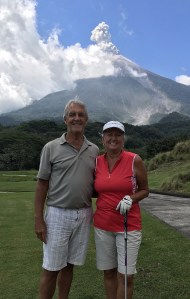
We spent a day in Antigua, a quaint town in the mountains we thought we could go to live for a few weeks if we wanted to learn Spanish. We also played Fuego Maya, a course between two active volcanoes – which I would rank as my #2 world course after The Hills Course in Queenstown, NZ.
After that, we went on a very special trip into the jungle with Dr. Richard Hansen, a famous archaeologist, to explore what Smithsonian magazine called the “Lost City of the Maya.”
Some of you may have visited Maya ruins in the Yucatan Peninsula, but only in the last 50 years have the pre-classic Maya ruins (1000 years before the Yucatan) been discovered in the rain forest of central Guatemala. For 38 years, with a very limited budget, Dr. Hansen and his team have been excavating the El Mirador basin, where a 2,500 year old metropolis of 51 cities was the size of Los Angeles and had a population of 100-200,000. In addition to thousands of buildings, and the world’s first “highways,” they built La Danta, the largest pyramid by volume in the world. Hansen has just cleared the top 80 feet of the 230-foot structure. We got to climb it.
It’s a fascinating story that is too long and complicated to repeat in this blog, but this short “Breaking News” spot on CNN (is there anything that ISN’T breaking news with Wolf??) is a quick summary of the story. https://www.youtube.com/watch?v=voY8jNcuGe8
So, before my pictures and video, here are your “little known facts of the day”:
Mayan is the language. Everything else is Maya. Maya ruins, Maya culture, Maya people. You can see even CNN got it wrong. The Maya people spoke Mayan.
An new insect species is only declared if the genitalia is different. A butterfly that looks different, such as by color, isn’t deemed a different species unless…I don’t really know – it’s what we learned on this trip. Breaking news?
La Danta peak
Jaguar Paw Temple
The 3 levels of La Danta
La Danta from the air
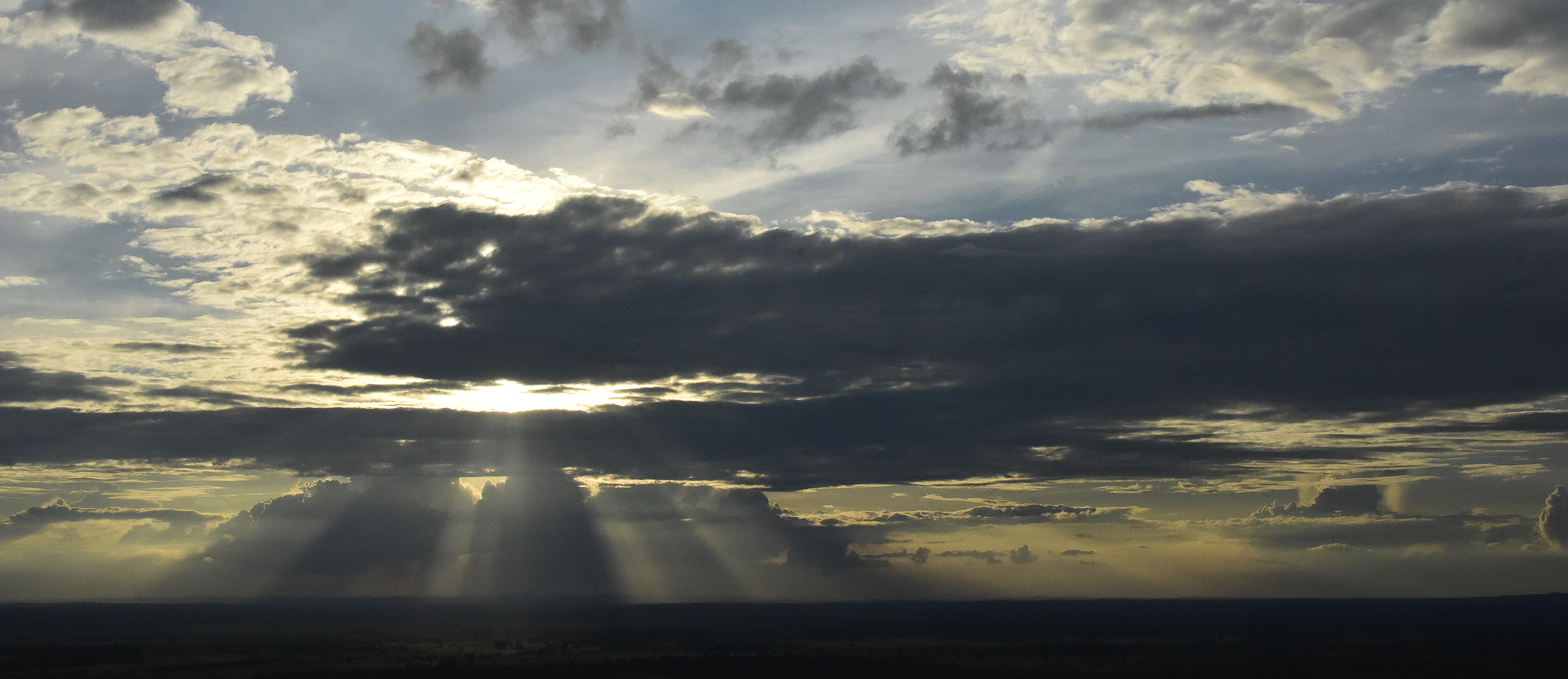
It was a long, hot, humid day of trekking and climbing, but the passion of Dr. Hansen made it very special. At the end of the day, thunderstorms approached and we had to race to the helicopters to avoid spending the night in the jungle. On the flight home, the lightening and storms were frightening, but then the sun broke through and we saw a rainbow that went in a complete circle, never touching the ground. A first for me, but sadly, I couldn’t get a full picture of it. The arduous day ended with a spectacular sunset.
To those of you who don’t play, I know it seems like a silly game – whacking a little ball around for hours at a time. Though I come from a golfing family and have played for 60 years, I haven’t improved any despite playing a lot more after retirement. But I have come to love the game.
Both my grandfather and father told me it was an important sport for business relationships – and that proved to be true. “GOLF”– the four-letter word that can get you past the toughest executive secretary. But outside of business, it was just too time consuming to compete with work and family for most of my adult life.
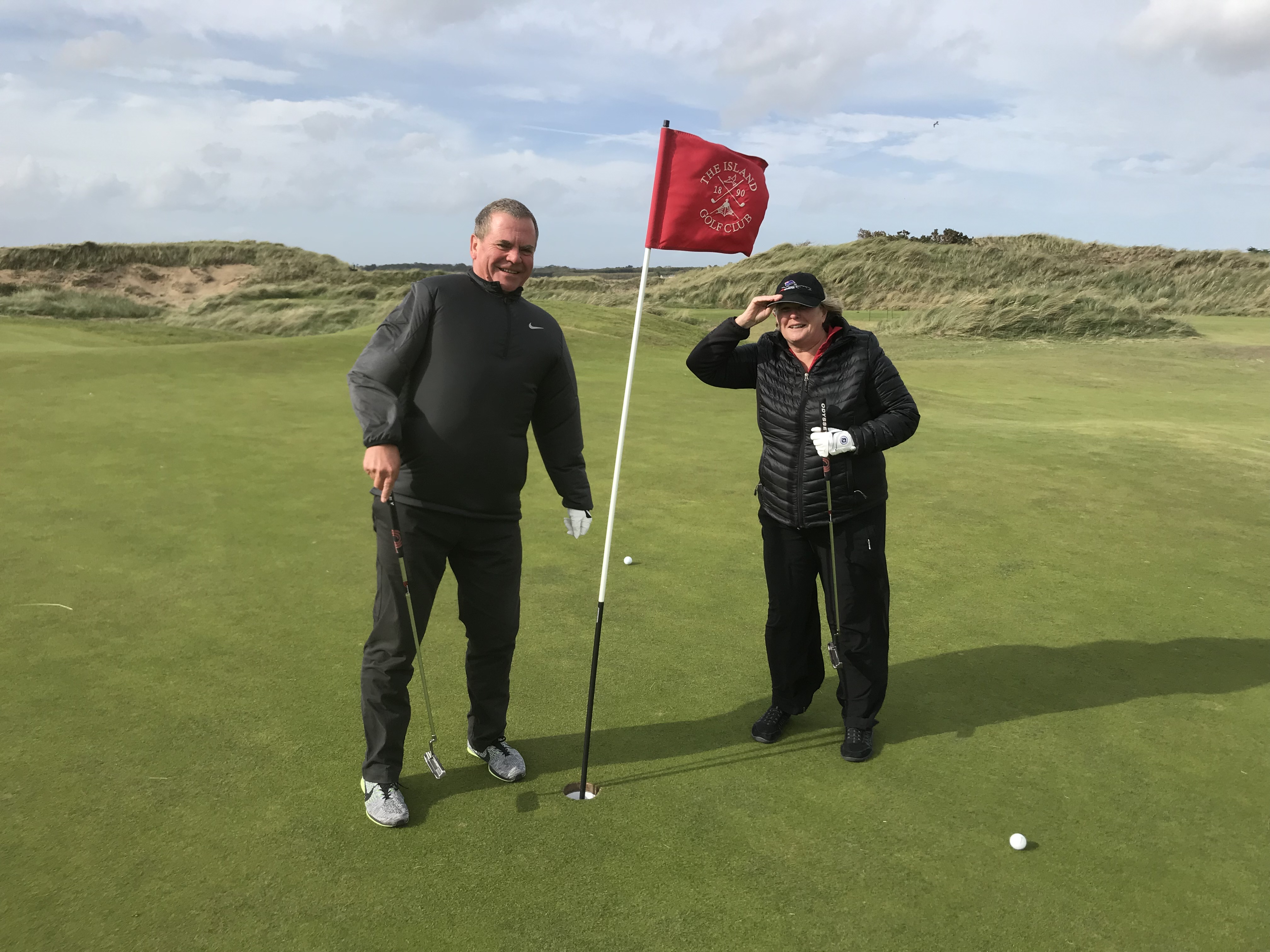
Now though, Debra and I love playing in the countries we visit on the ship. We don’t always play when we can, but I’m sure we’ve now experienced courses in over 30 countries. Whether “rustic” (Falkland Islands) or world-class (New Zealand), we find it a great way to see more of a country and experience a little local culture off the beaten path.
Fuego Maya GC
Hamilton Isl, Australia
Coaching Freddy Couples
Michael Hill, Queenstown, NZ. My #1.
Mark in the morning
But my favorite golf, I must admit, is at home in New England. First one out alone at 7 AM, on my empty course, walking, I play 18 holes in 1:50 and get home before Debra’s second cup of coffee. Mark, my favorite caddie, leaves me alone to enjoy the solitude. His longest sentence in 4 years was “A cup right-to-left.”
Funny, that for a game I took up for business and social reasons, I most enjoy making first tracks on the early morning summer dew.
Strange as it may seem, neither of us had ever been to Alaska. We love to be home in Connecticut so much in summer that we’ve seen more of the southern hemisphere than the northern. Since retirement, we’ve been willing to give up 3 weeks of our summer to visit some places we haven’t – East Greenland, then Northern Europe, this year Alaska. We invited Debra’s father Jimmy, and our 14-year-old grandson Jack to the ship with us and boarded in Vancouver.
The southern part of Alaska (the panhandle) isn’t what I expected. The cruise industry has turned stops like Ketchikan, Wrangell, and Juneau into complete tourist towns – store after store of jewelry, furs, tacky art, and souvenirs. Get this – Ketchikan has a population of 7,000 and most summer days has 9,000 cruise visitors who are just there for the day. We don’t sail every night like they all do, so it was amusing to see these towns when all the cruise ships left and the locals closed their shops to relax at a local watering hole. We did all the compulsories with Jack and Jimmy – seaplane, black bears, bald eagles, fishing, whale watching, kayaking, and even a lumberjack show (emphasis on “show”).
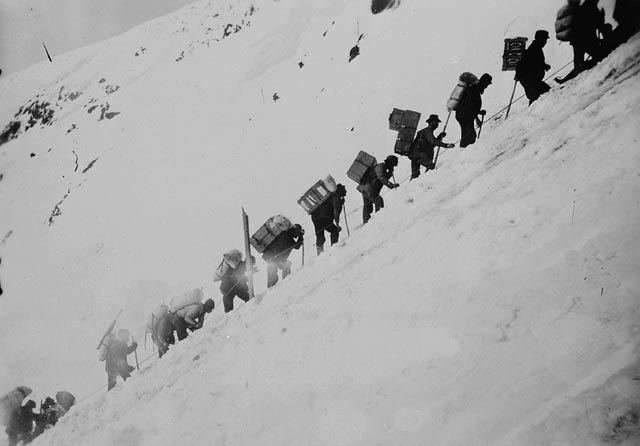
Of special note though was a train ride up through the White Pass on the old Yukon route. In 1896, almost 50 years after the California gold rush, in the midst of a depression, gold was discovered in the Canadian Klondike [still love Klondike bars – ed.]. Trouble was, getting there required a boat trip from Seattle to Skagway, Alaska, then a treacherous 20 mile climb over a 3,000 foot, snow-covered mountain, then a 550 mile boat trip through a lake system to the Yukon river. But wait, there’s more! As they entered Canada, the Royal Mounted Police checked to make sure each of the tens of thousands of prospectors had enough supplies with them to survive a year on their own. Each person was required to carry one ton of supplies the summit. Think about that. 100 pounds per trip for 20 trips, and hope that your supplies weren’t stolen in the month or two it took! In the winter of 1898-1899, 30,000 prospective miners who made it over the mountain, spent the winter in Bennett, Canada building boats for the 550 mile lake trip to the gold.
After a couple of years, a private railroad through the pass was built and with the help of 450 tons of dynamite, finished in the summer of 1900, just about the time the Yukon ran out of gold. The line is designated an International Historic Civil Engineering Landmark along with the Eiffel Tower and Statue of Liberty. Despite grades up to 3.9%, it took 110 miles of track to cover the 20 miles and a bridge that was the tallest supported bridge in the world at the time. Today the line is operated as a tourist train (to nowhere) – well worth the time, as is the story of the Yukon gold rush.
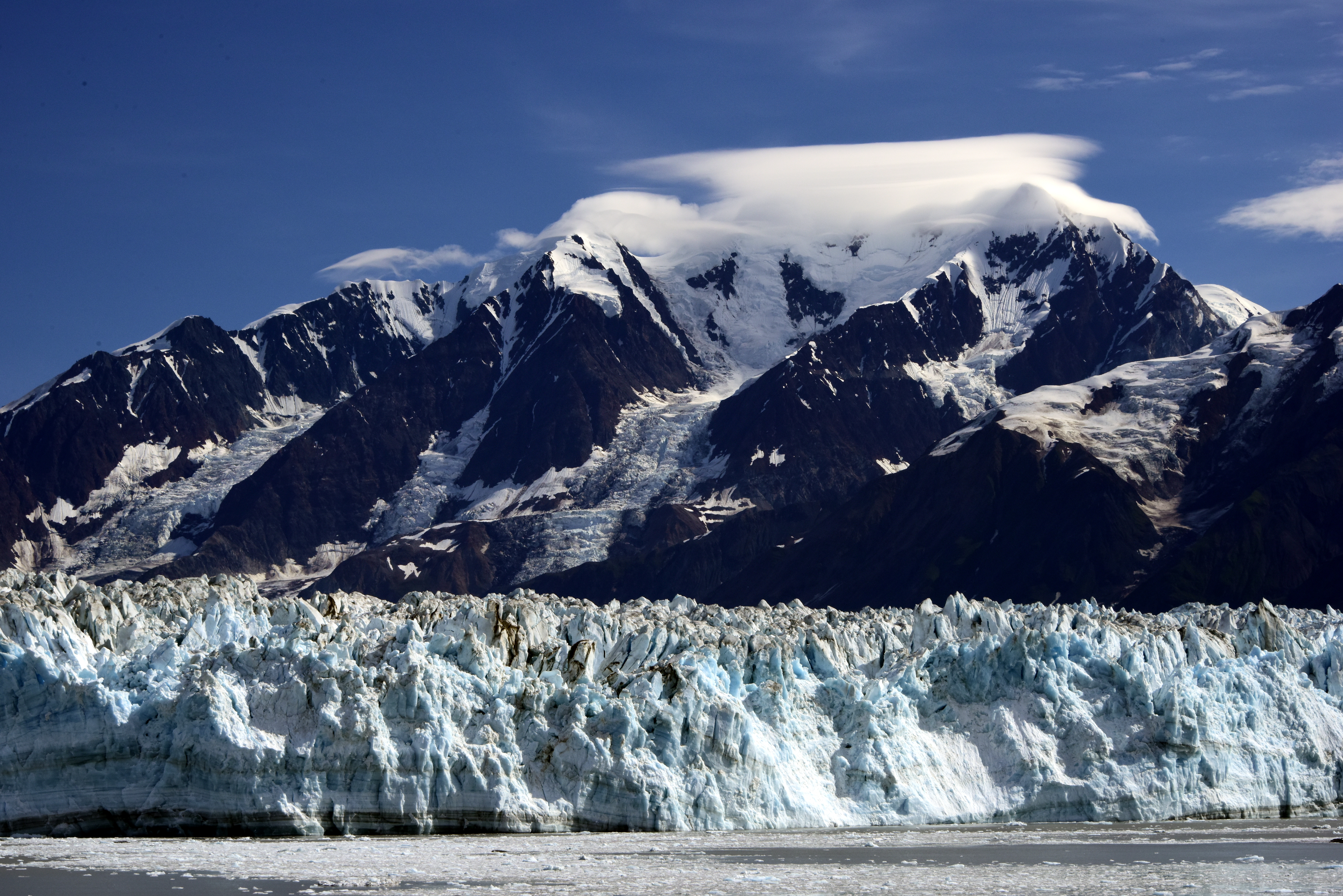
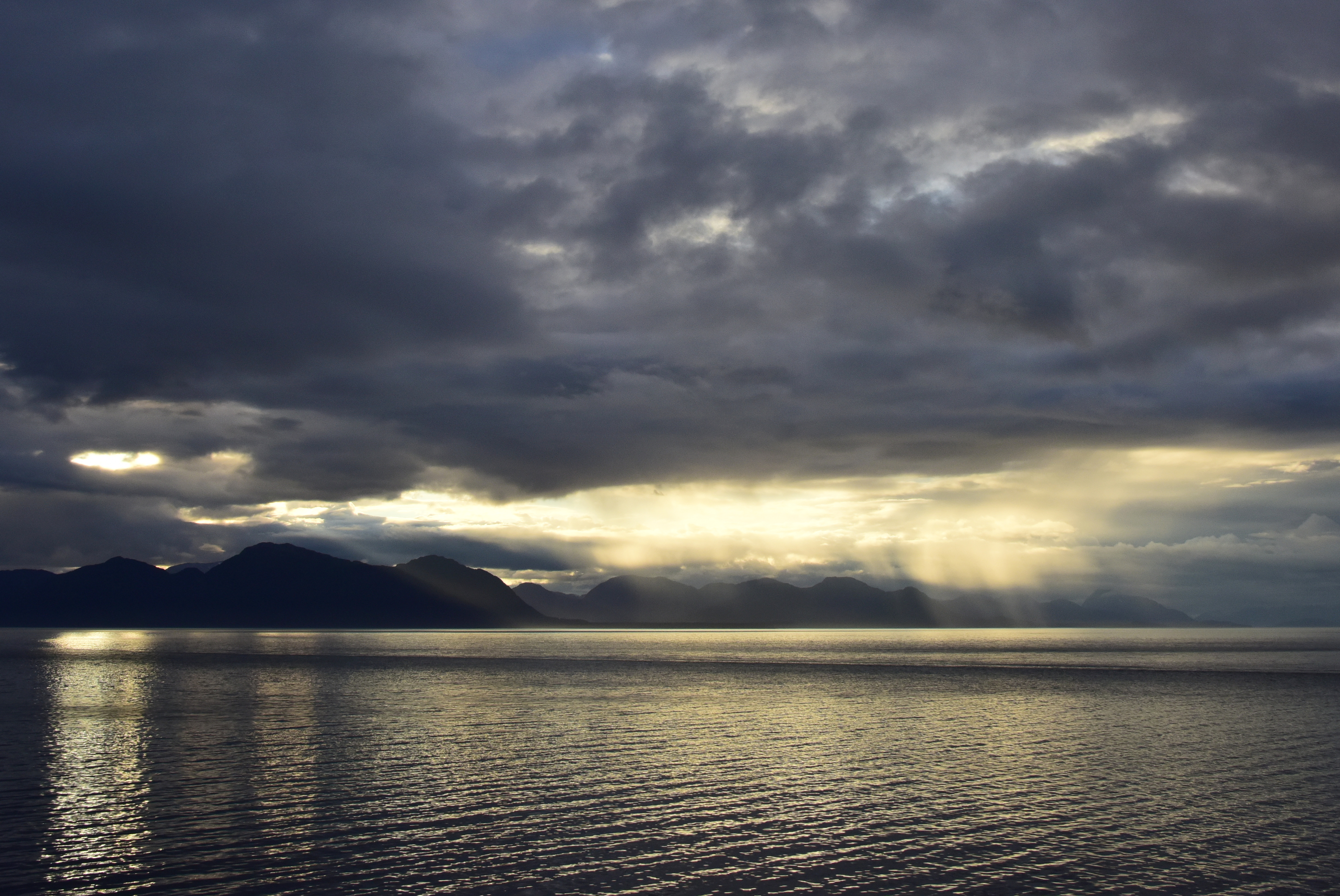
We said goodbye to Jack in Juneau and headed further north to Anchorage. This was more of what had expected of Alaska. Towering mountains rising from the sea, enormous glaciers, and beautiful late-evening sunsets.
I made a 7 minute video to help Jack and Jimmy remember the trip:
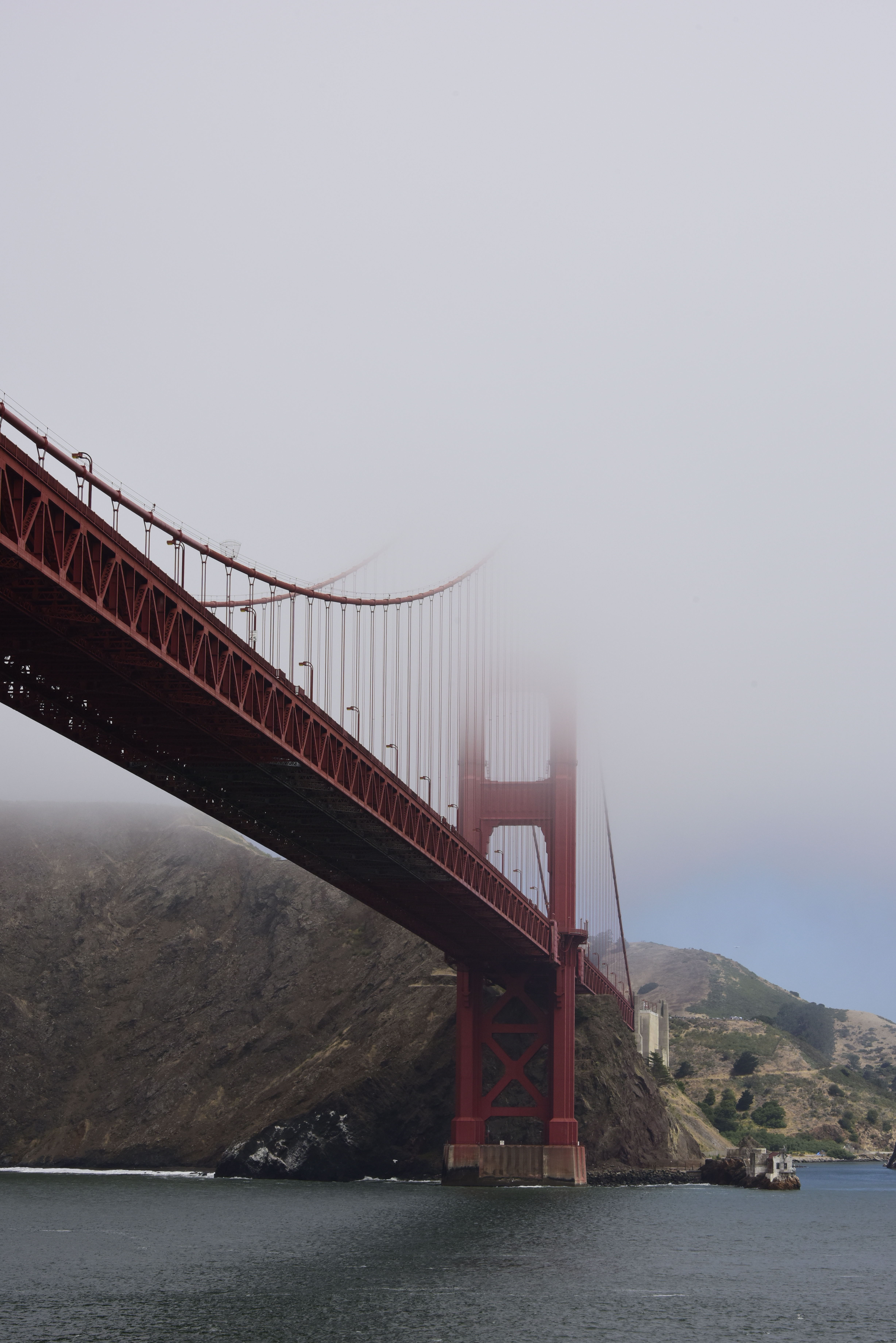
From Bermuda, we flew to San Diego, CA to join the ship for part of her tour up the west coast. I wanted to play some of their famous golf courses and sail into San Francisco under the bridge. Unfortunately, my game was so bad the golf was a bit of a workout, and the fog in San Fran was so bad you could hardly see the bridge.
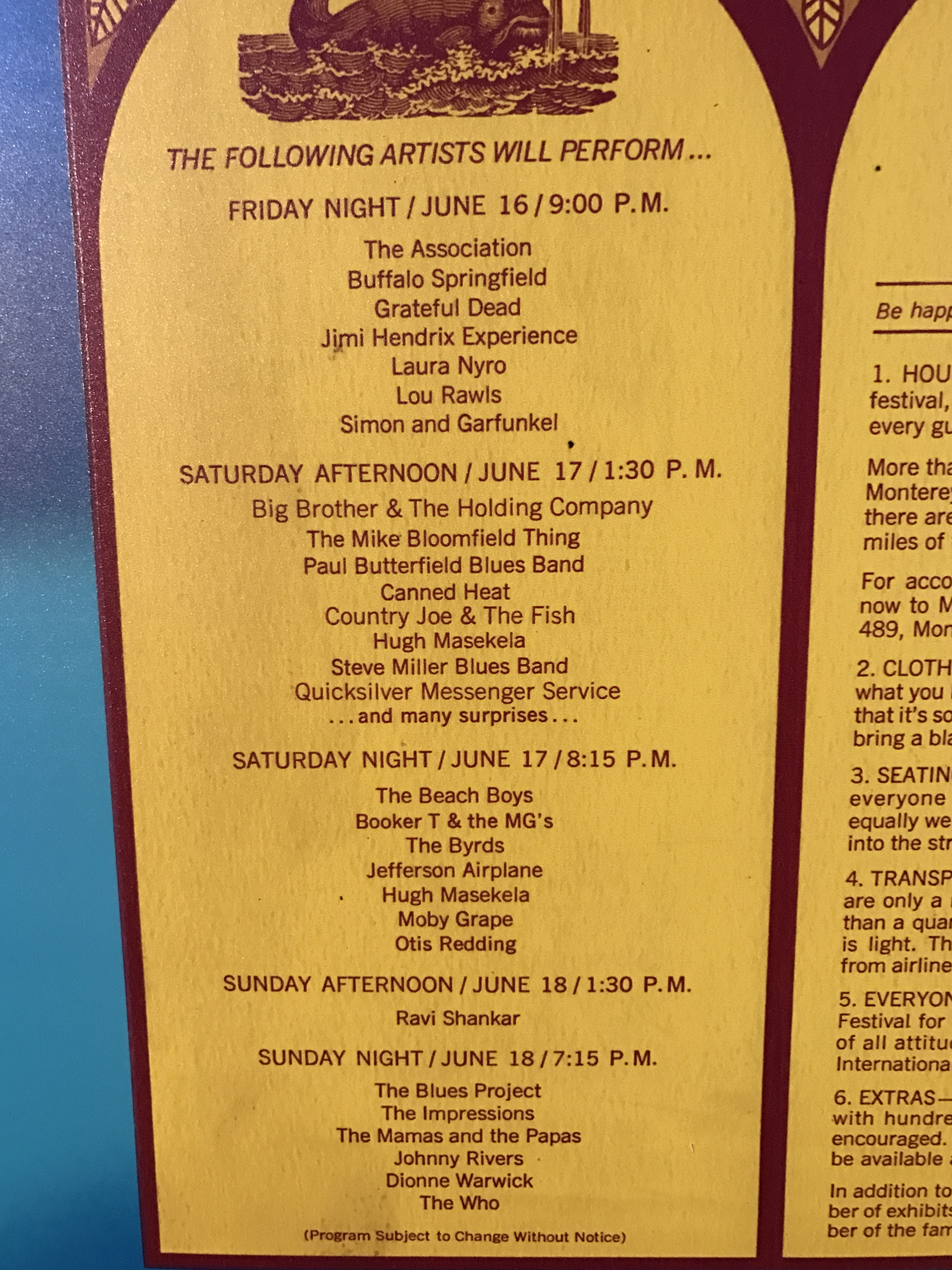
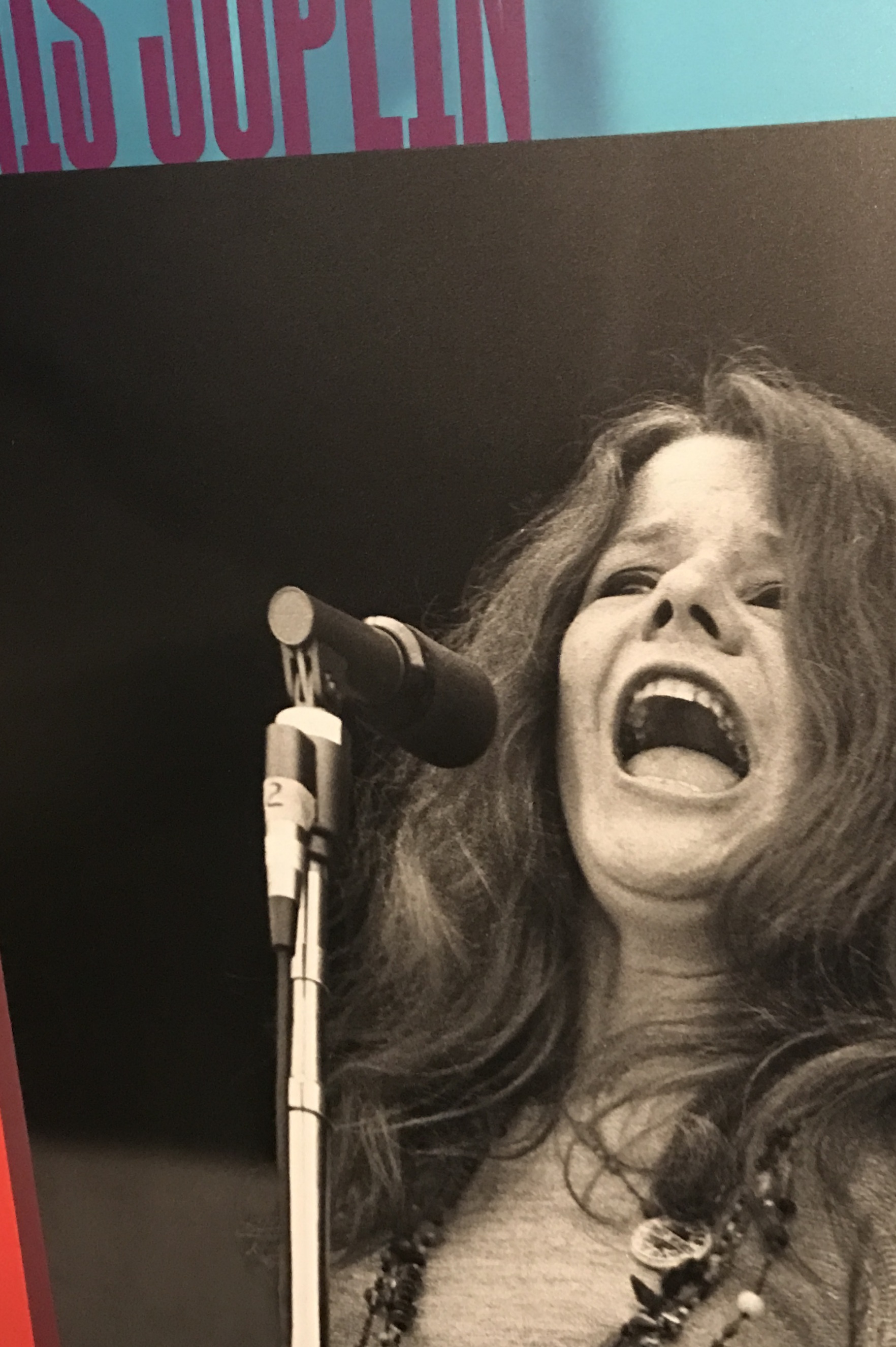
But the surprise bonus for me was that I learned there was a 50th Anniversary concert at the Monterey Fairgrounds the day we anchored there. In June of 1967, Cass Elliot (Mamas and Papas) and Paul McCartney gathered an amazing collection of artists to perform for charity in what was arguably the first-ever rock festival. Simon and Garfunkel, The Who, Janis Joplin, Greatful Dead, Steve Miller, Jefferson Airplane, Otis Redding, Jimi Hendrix (his first real appearance) – it was a stunning collection of young artists, all playing for free. The 1968 documentary “Monterey Pop,” made me a permanent fan of the era’s music.
This concert was more a tribute than a major event, but it was a bit like going back in time. Lots of new and aging hippies, peace and love, and a mellow mood. A new, young band played “California Dreamin’” and Michelle Phillips (now 74) was a surprise guest. The venue also housed a fascinating museum about the original concert. I don’t know – call me crazy, but it was a moving experience for me.
I’ve never been a sailor, other than an occasional rental, but I’ve always thought it a beautiful sport. While I normally don’t follow racing at all, I somehow became hooked on the America’s Cup competition about 35 years ago. I don’t remember why – maybe because I had dear friends in New Zealand and we “trash talked” each other every four years as New Zealand tried to claim the Cup.
When Oracle Team USA won in 2009 and changed the design rules from large mono-hulls to catamarans that seem to fly on their foils, I first objected to such a radical departure from 160 years of tradition. But after watching the incredible final series in San Francisco on TV in 2013, I changed my mind. Debra and I decided we had to go to see some of the 2017 races which were to be held Bermuda.
We stayed with good friends and went to the finals of the Louis Vuitton challenger series between Emirates Team New Zealand (ETNZ) and Artemis Team Sweden. The winner (best of 9) would go on to face Oracle USA in the finals. We, for a number of reasons, were pulling for ETNZ to go all the way. But just before we arrived in Bermuda, NZ “pitchpoled” spectacularly the start of a semifinal race. No one was hurt, but considerable damage was done to the Kiwi boat. Here’s some news footage on the accident:
Our friends in New Zealand managed to get us an invitation to the Team NZ compound on their first race day. The work the team had done to get the boat back in condition for the challenger finals was impressive. We got to see the team and their operations up close and were even invited on the Kiwi spectator boat.
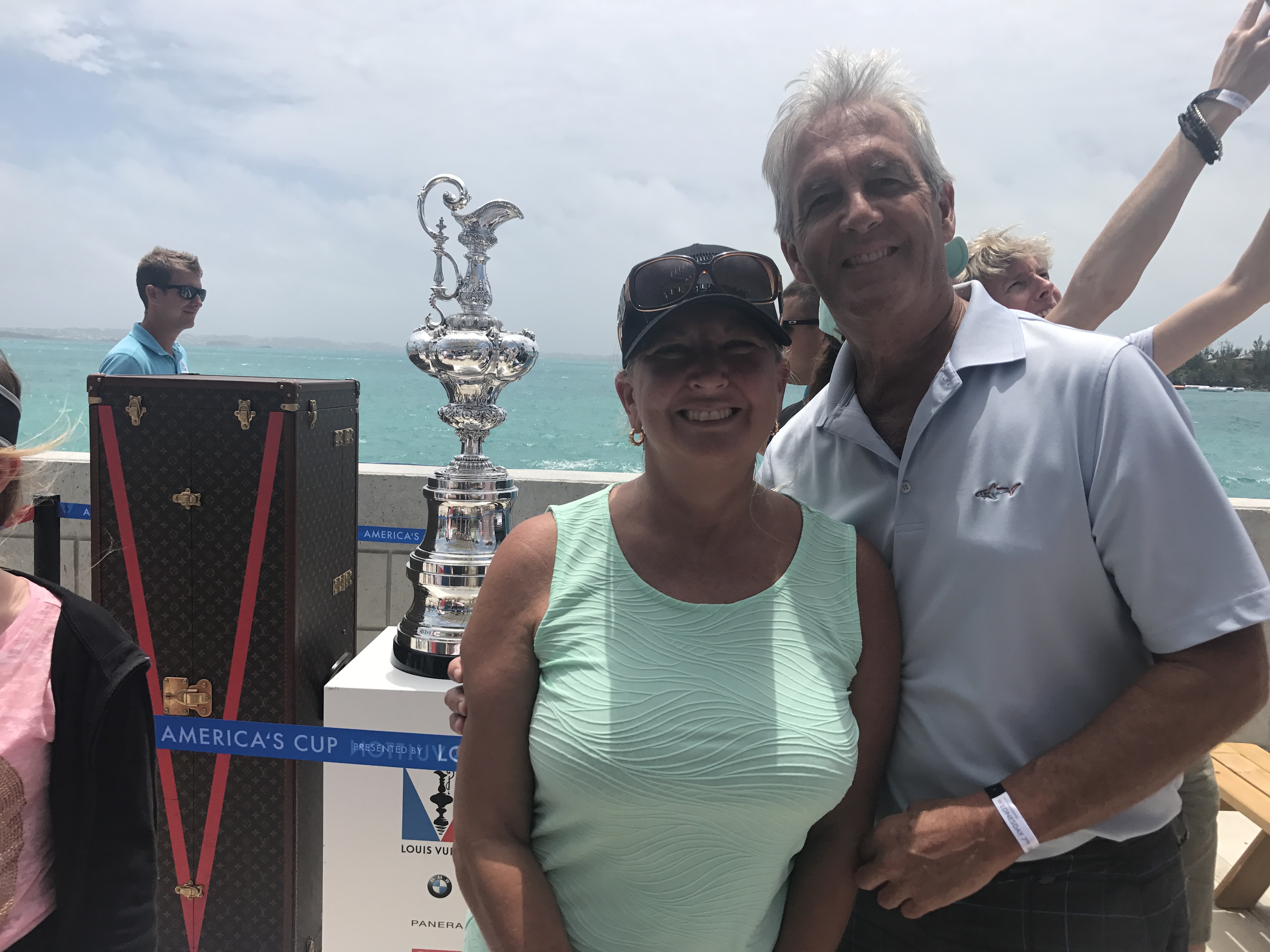
With The Cup
Sailboat racing is one of those sports that is better watched on television since it’s hard to tell who’s in the lead – but we enjoyed the entire week of excitement. And we were especially thrilled that ETNZ went on to upset Oracle and win the Cup in convincing fashion. After one of the race days, Debra caught Peter Burling (the now-famous young helmsman) walking by and had him pose for a photo.
With Peter Burling
The great Grant Dalton
I happened to video the ending of the most exciting race of the entire series. New Zealand was well in the lead, but 100 meters from the finish, made a bad gybe and lost all speed. Sweden came on strong and seemed to have the race won, but had to make one final gybe to miss hitting the finish mark. ETNZ won by a whisker!
From Korea, we sailed to Shanghai and docked right in the middle of town. I have mixed feelings about this city. When the weather is nice, it is beautiful. Clean, spectacular architecture, flowers always in bloom, great food, great vibe. But it is that way because the government takes “eminent domain” acquisitions to the extreme.
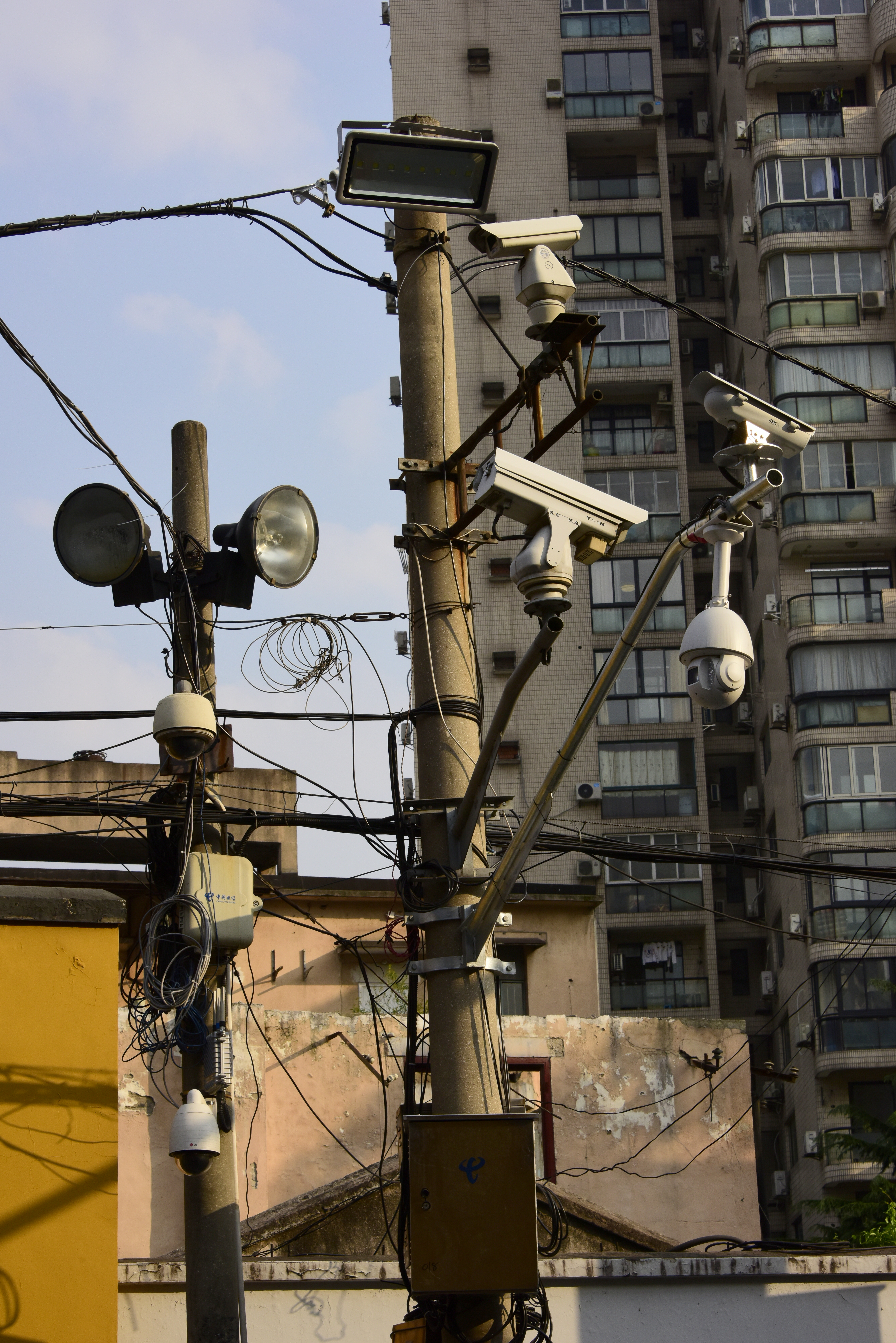
Just 6 cameras?
They push out residents and build what/when they want. The same happened in Paris in 1860 (that’s why it’s so beautiful). When I first came in the mid 1990’s, the east side of the river was a field of farms. Now it looks like Manhattan (see video below).So part of me loves this city, but I try to remember – it IS China, where personal freedoms are limited. Just note the cameras on this typical street corner.
While there we rode the world’s first and only magnetic levitation train. Instead of rails and wheels, it uses magnetic repulsion to lift and propel the train. I did a science project on this concept when I was a kid – had to try it. From downtown to the airport, we reached 268 MPH! The concept turned out to be impractical and may be the one and only forever, glad I didn’t invest. Then we went to the Shanghai tower, the second tallest building in the world (after Dubai) for an elevator ride to the observation deck before it officially opened. The specially designed elevator goes up at 46 MPH! It was a bit hazy, but the view gives you a look at Shanghai, the most populous city proper in the world with 24 million people.
Sixth tallest building looking down from Shanghai Tower
The World from Shanghai Tower
We mostly enjoy food, touring and music when we travel to new cities. Others go to museums of all kinds. Every once in a while, we do a museum, just to be culturally sensitive. So I sought out a Shanghai museum that had modern art and dragged Debra. Below are two exhibits we saw there. No lie. Now I know what I can do in my garage when I get home!
Fine Art – Plastic
Fine art – wood left overs
OK, now for your “little known facts” lesson. Bet you can’t get all three right.
Why are the flowers always in bloom in Shanghai?
What are the people doing with umbrellas in the park on a sunny day?
Why does this little boy have a slit in his pants?
Flowers in bloom
Umbrellas in park
Split pants
Ready?
To keep the city beautiful, Shanghai hires cheap, country labor and re-plants annuals when they’re in bloom, changing them multiple times throughout the summer.
At the weekly “marriage market,” parents advertise their adult kids (men and women) in the hopes of marrying them off. Age, education, talents – this in a country with a history of internet innovation!
Slit pants on kids? Not as common as it used to be. But, rather than diapers, the split allows kids to relieve themselves on the street! Hope you’re not eating. Despite may years of travel in China, this was a new one to me.
As always, a few video clips (4 mins) including time lapse of Shanghai nightfall, the mag-lev train, the marriage market, and the amazing evolution of the city.
I mentioned the “Lori gang” on this blog a year and a half ago when we had our big NY party on the ship – they’re some of our best friends. Lori was our trainer when Debra and I first got together 11 years ago in Stamford, where neither of us knew anyone local. She not only became one of our closest friends, she introduced us to her 4 best girlfriends – and we’ve all stayed close ever since. They’ve now almost all married (one to go in June), had kids, and sadly, moved away. We try to stay in touch, but it’s tough with distance, our travels, and 9.5 kids among them.
Lori and Nik, who are in North Carolina now, had a 40th birthday party planned with 50 of their new local friends. We all decided to surprise her and crash it with our traditional wig entry (as we’ve done for 3 of their weddings) to “500 miles,” their favorite dancing song. I made this video of our weekend to share with the gang. It’s a bit long, but memorable.


























 D & D Adventures