Because the weather in October and May can be iffy in Connecticut and Florida, we usually try to plan a trip. We’ve never toured Central Europe, so we decided to take it on in a big way and spend an entire month of travel through the area. Seven countries, seven languages, seven currencies.

Poland
We flew to Warsaw for 3 days, then trained to Krakow for 4. Both cities have an “Old Town” that are the focal points of tourism, but their history is very different.
Warsaw is a city rebuilt out of ashes—literally. Unlike Kraków, which survived the war with most of its historic architecture intact, Warsaw was systematically destroyed. There were two uprisings in Warsaw that often get confused. In 1943, Jewish fighters trapped in the Warsaw Ghetto with 400,000 others launched a desperate uprising against the Nazis—the first urban revolt in occupied Europe. Poorly armed and outnumbered, they fought for 27 days before being crushed. A year later, in 1944, the Polish resistance launched the Warsaw Uprising, a 63-day battle to liberate the city before the Soviets arrived. Hitler ordered the complete destruction of the city and it’s inhabitants. 90% of the buildings were destroyed.
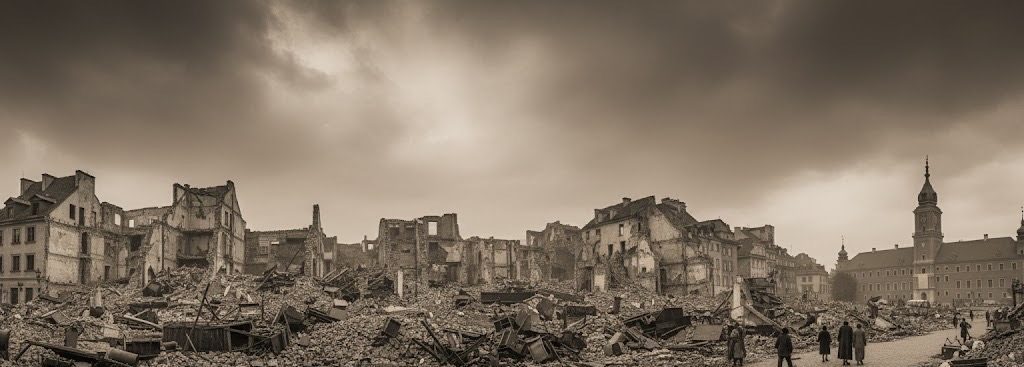

After the war, Stalin wanted the city built back in its original form to be Poland’s capital and a showplace of the Soviet system. It is scenic for sure, but not really authentic.
Krakow, on the other hand was the cultural center of the region during the German occupation and was preserved. It has a more medevial feel that isn’t Disneyesque.

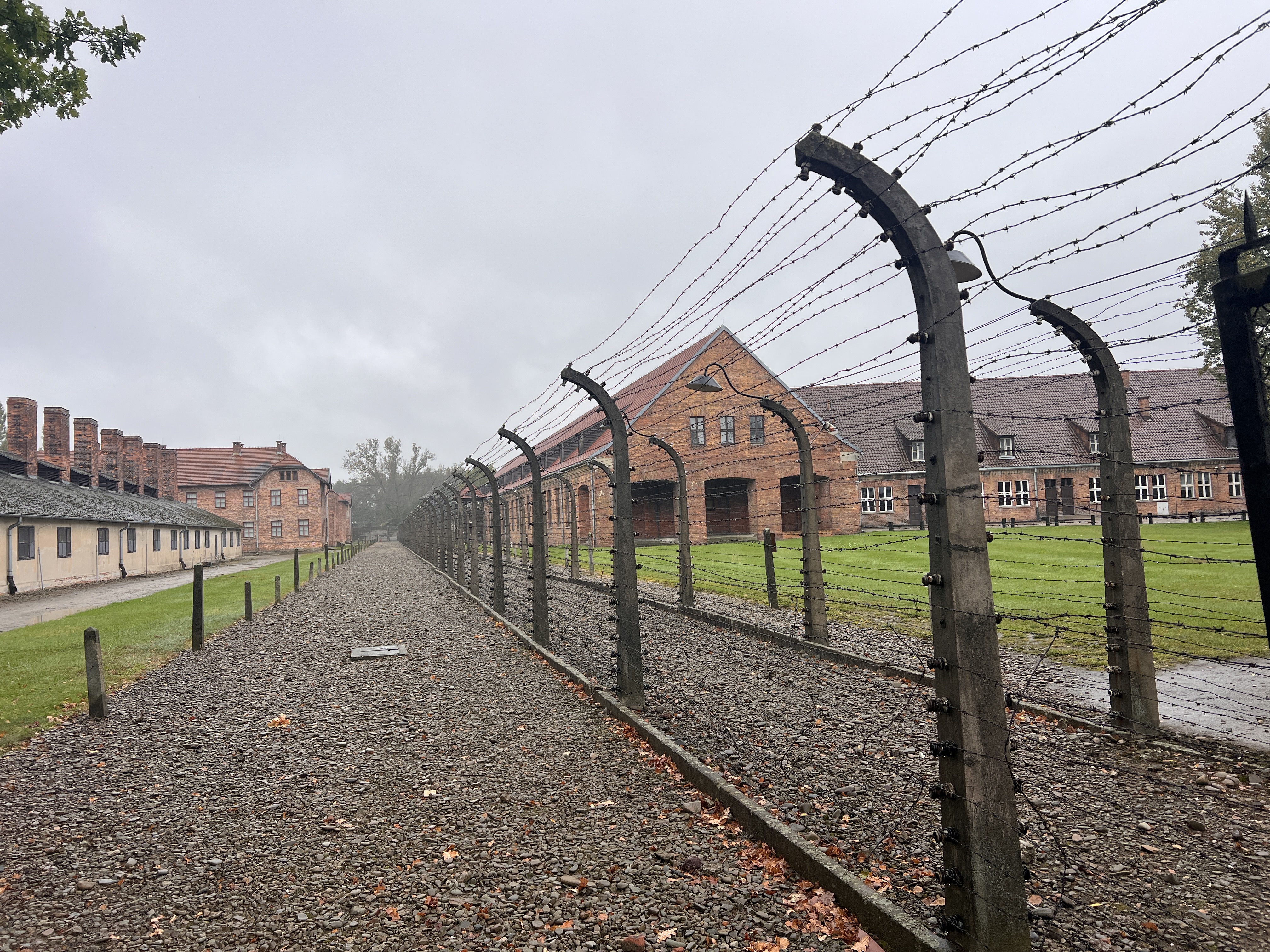
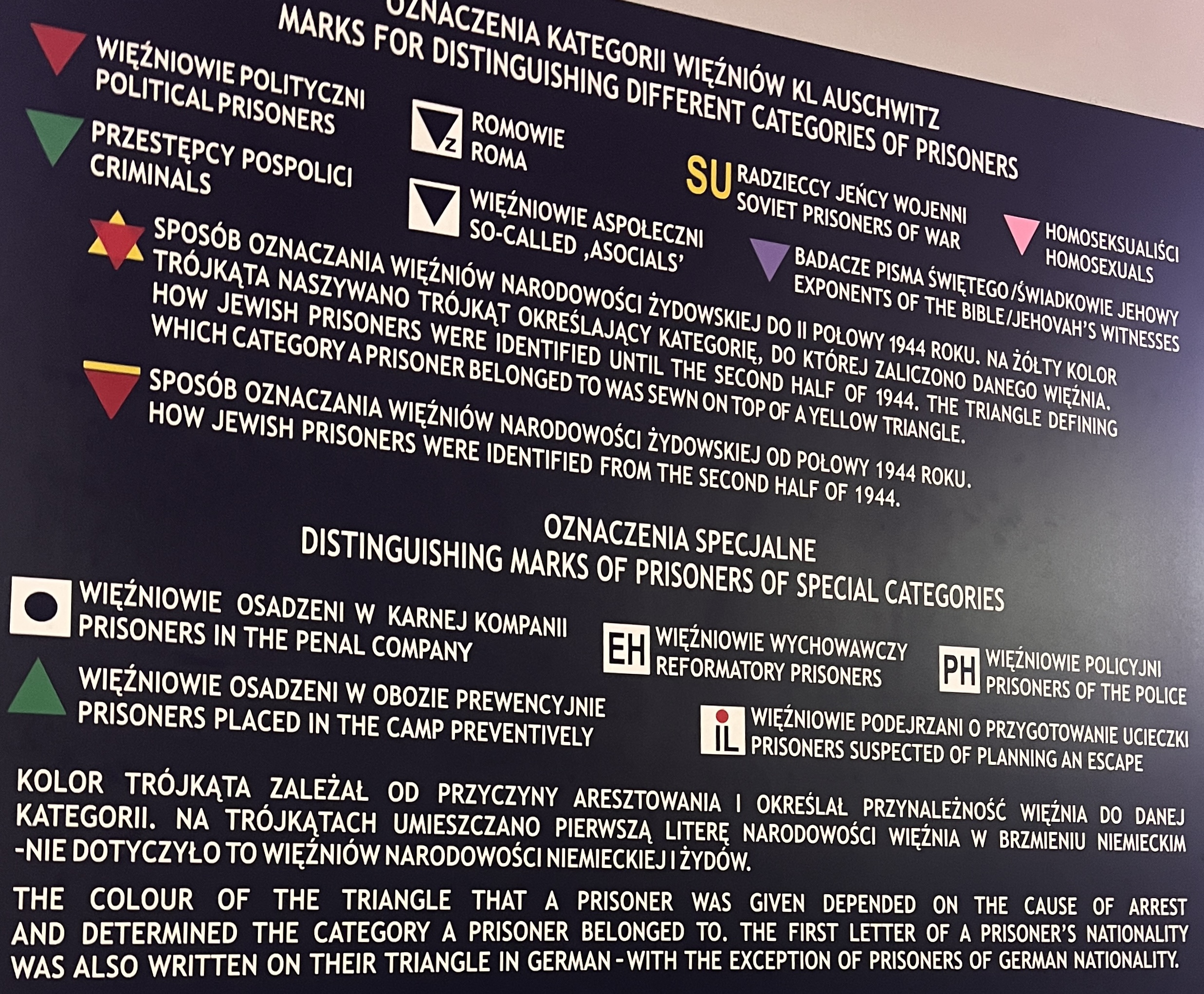
We took a full day tour to Auschwitz and Birkenau with a private guide whose grandmother was taken there. The camp has been set-up as a well organized museum that allows visitors to better understand the whole systematic slaughter. We were pleased to see how the whole site was preserved rather than “buried” to forget and that large student groups are regularly touring. We’ve been through the Hiroshima Peace Museum, the Khmer Rouge Genocide Museum (Tuoi Sleng) prison in Phnom Penh and other devastating sites, but Auschwitz stands out.

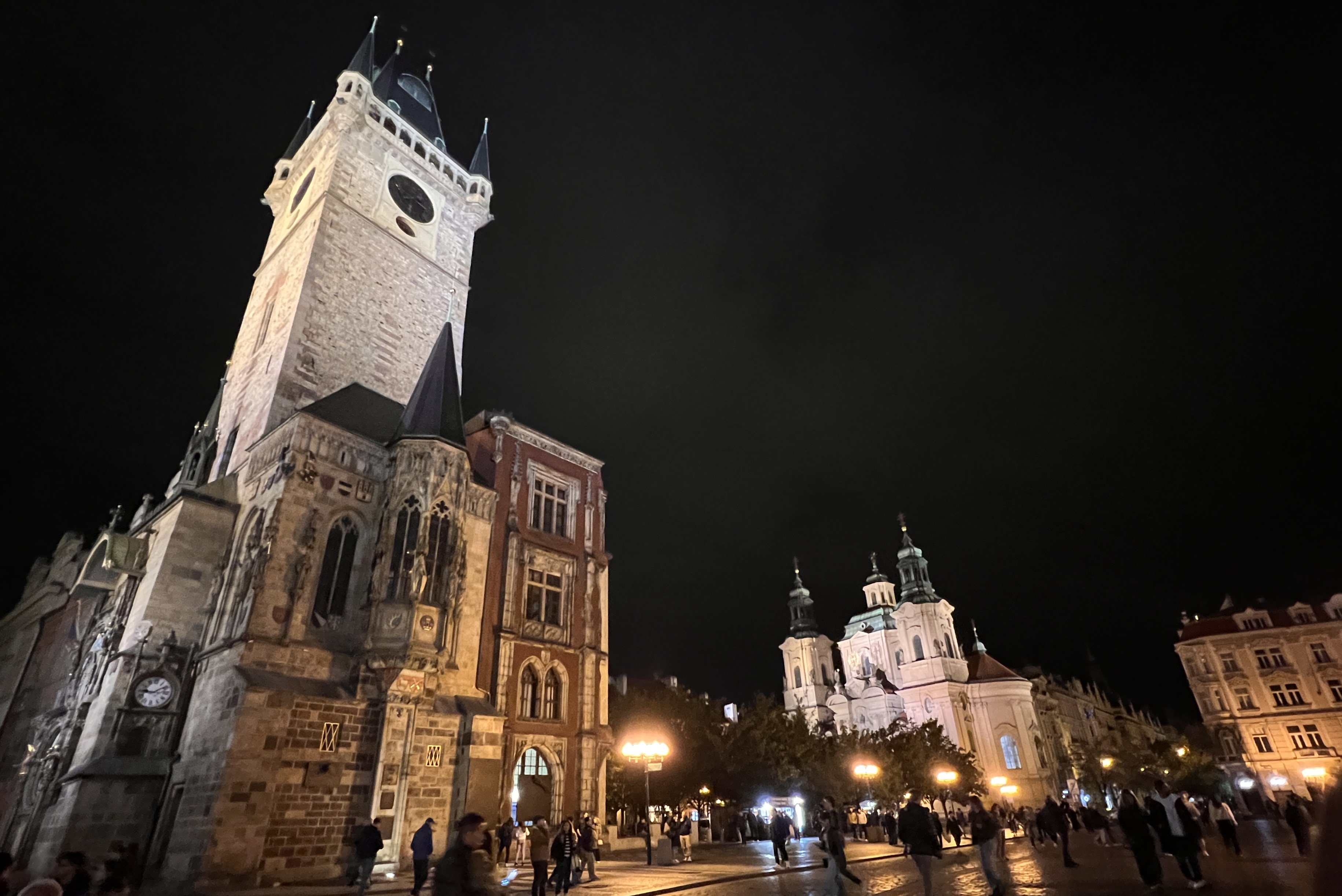
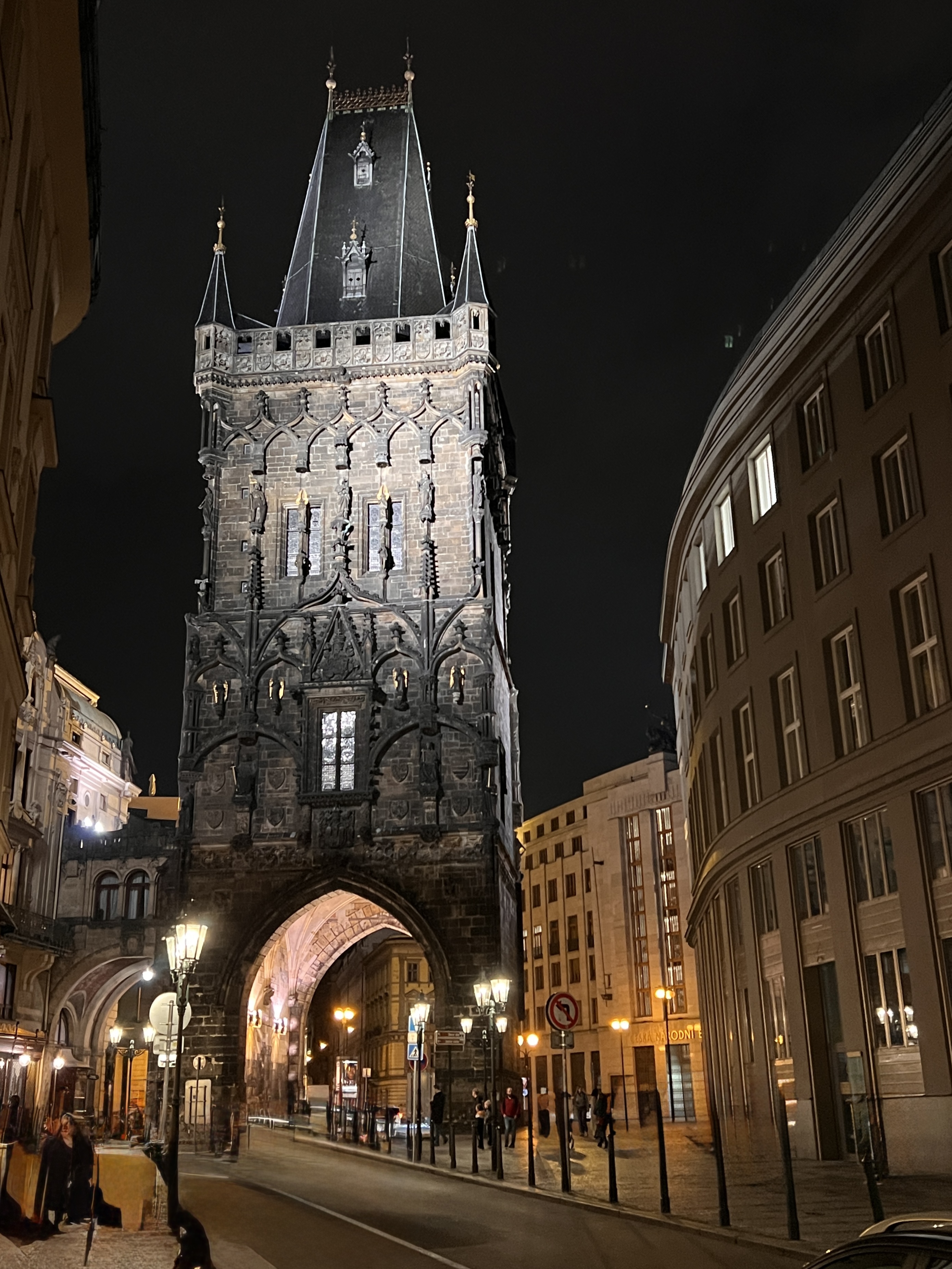
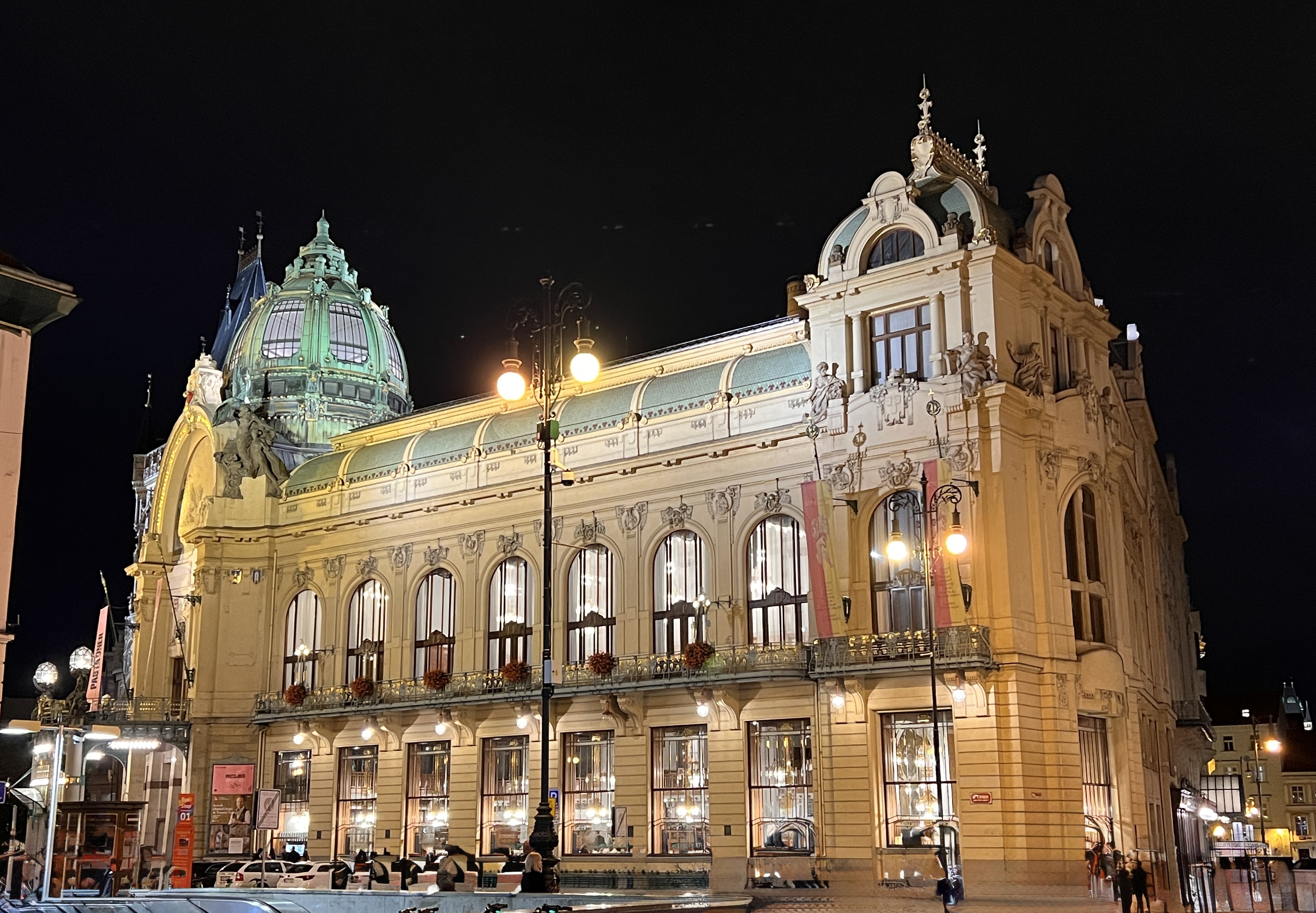
Prague, Czech Republic
In 1939, Hitler dismantled Czechoslovakia and turned Prague into the capital of a German-controlled protectorate. The city became a hub for Nazi administration. Czech resistance existed but paid a heavy price—most famously after the 1942 assassination of Reinhard Heydrich, one of Hitler’s top officials. The Nazis responded with mass executions and the annihilation of the village of Lidice, but Prague was spared, and thus has much of its historic beautiful architecture.
Unfortunately, a deal at Yalta called for the Russians to take the area and the Communist Party seized full control in 1948. Prague became another gray, repressed Eastern Bloc capital, and personal freedom disappeared behind censorship, political prisons, and secret police. Hopes for reform came in 1968 during the “Prague Spring,” but Soviet tanks rolled in to crush it. For the next two decades, dissent simmered quietly underground as writers, banned musicians, and students refused to give up.
Then, in November 1989, inspired by the fall of the Berlin Wall, student protests erupted in Prague’s Wenceslas Square and demonstrators were beaten by riot police. movement grew into the Velvet Revolution – named for how it toppled the regime without a civil war. Within weeks, the communist government fell. Dissident playwright Václav Havel became president, and Czechs got their country back without a shot fired. We spent a fascinating 2 hours with a journalist who took a terrible beating during the student protest at the age of 16 and got an appreciation for his anxiety over the Russian attack on Ukraine.
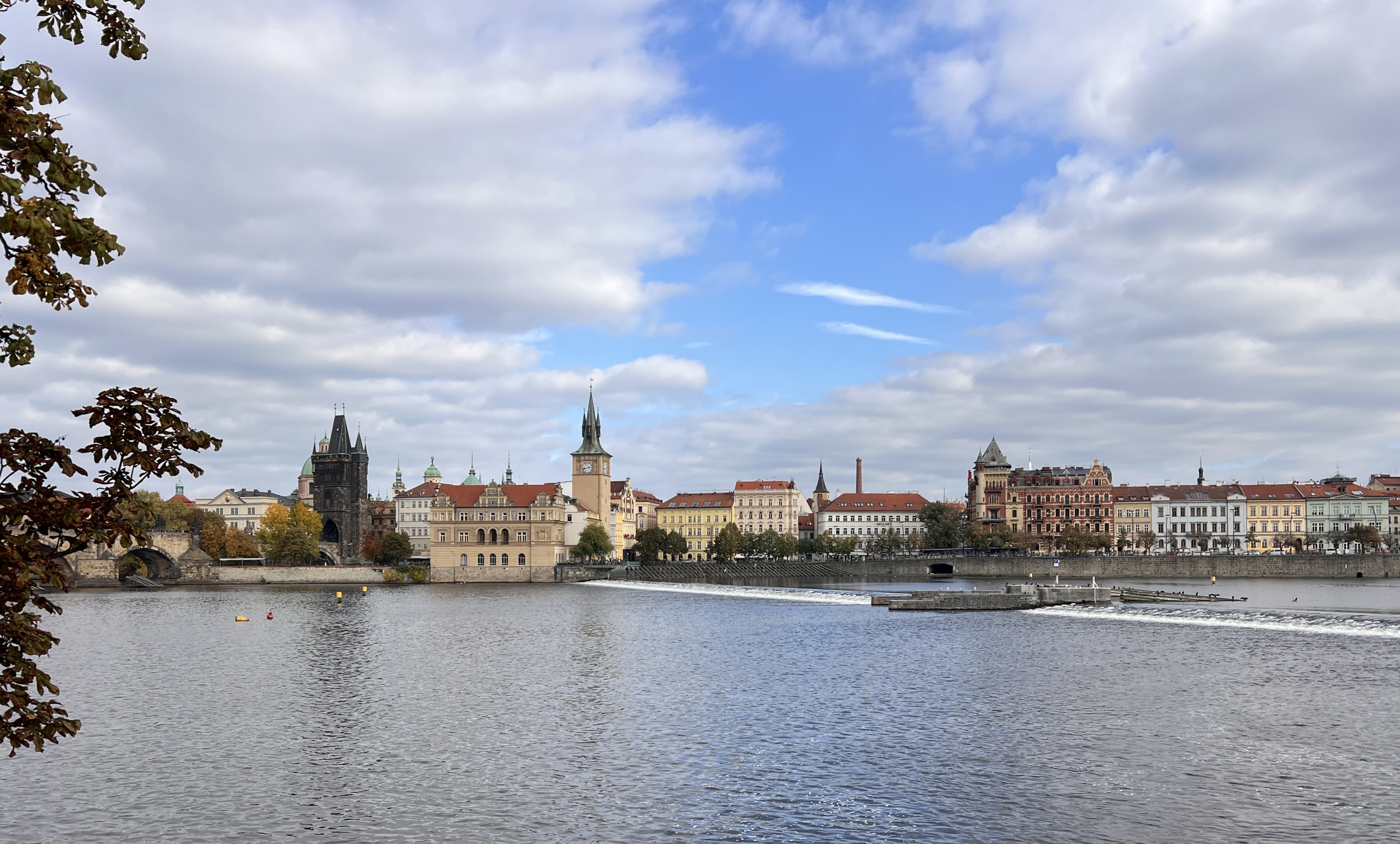
Today, Prague looks stunning – cobblestones, spires, and café culture. but history is never far below the surface. WWII scarred it, communism suffocated it, and the Velvet Revolution rewrote it. Worth the visit for sure!
Bratislava, Slovakia
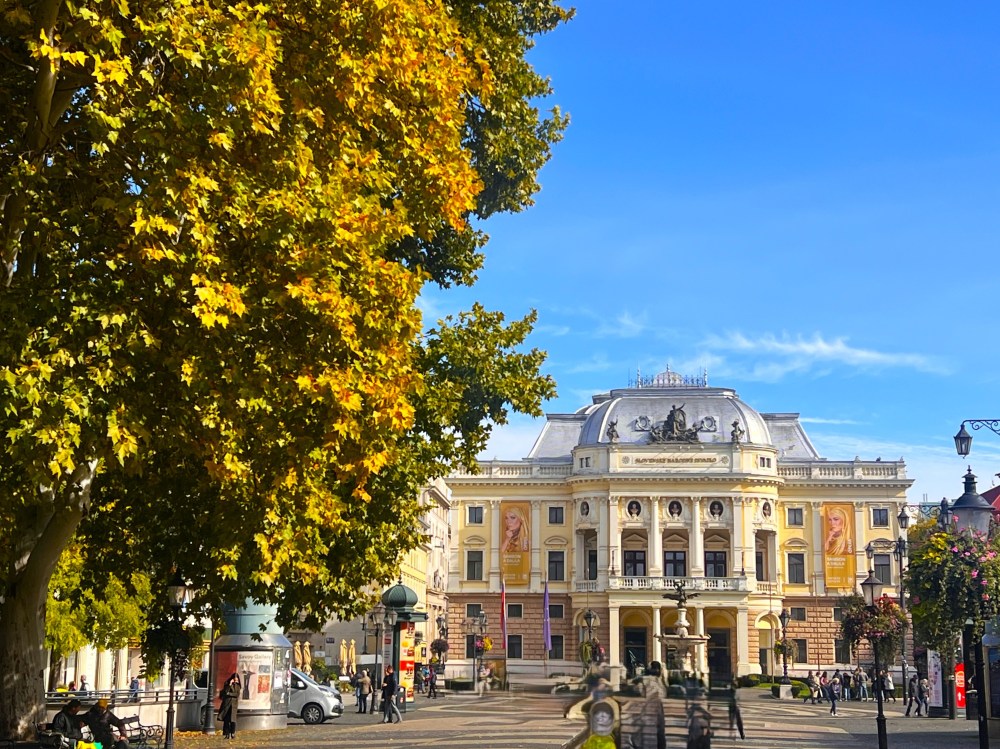
To break up the train ride, we stopped for two nights in Bratislava. It’s a small town, popular with tourists since the investments of the EU after 2004. Not much to see, but the fall foliage was at its peak and the weather was gorgeous so we enjoyed the brief stay.
Budapest, Hungary
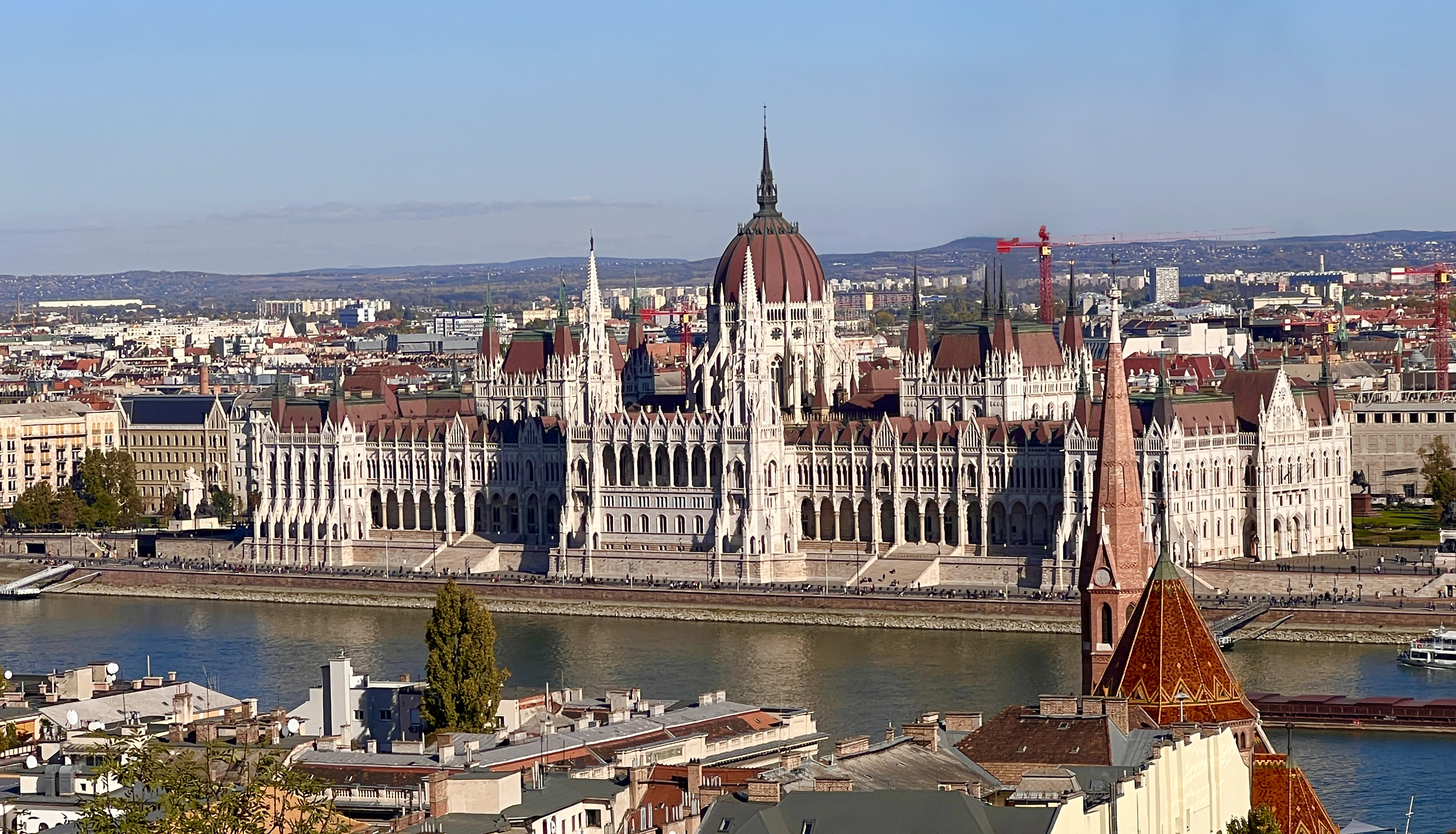
Formerly two cities, Buda and Pest (really) divided by the Danube, Budapest was formed when bridges were built in the late 19th century. Near the end of WWII, the Soviets closed in on the city and Hitler refused to let his troops retreat. The result was the horrible Siege of Budapest in 1944–45. Pest, the flat and densely built half of the city, took the worst of it. Entire blocks collapsed under artillery fire. Every Danube bridge was blown.
What makes the city remarkable is how much of its prewar architecture survived through sheer stubborn restoration. While the Communists built plenty of ugly block housing, the grand boulevards and 19th century apartment houses were patched back together instead of wiped clean. In the 1990s, after the fall of Communism and with the help of EU funding, major improvements and beautiful architecture was restored.
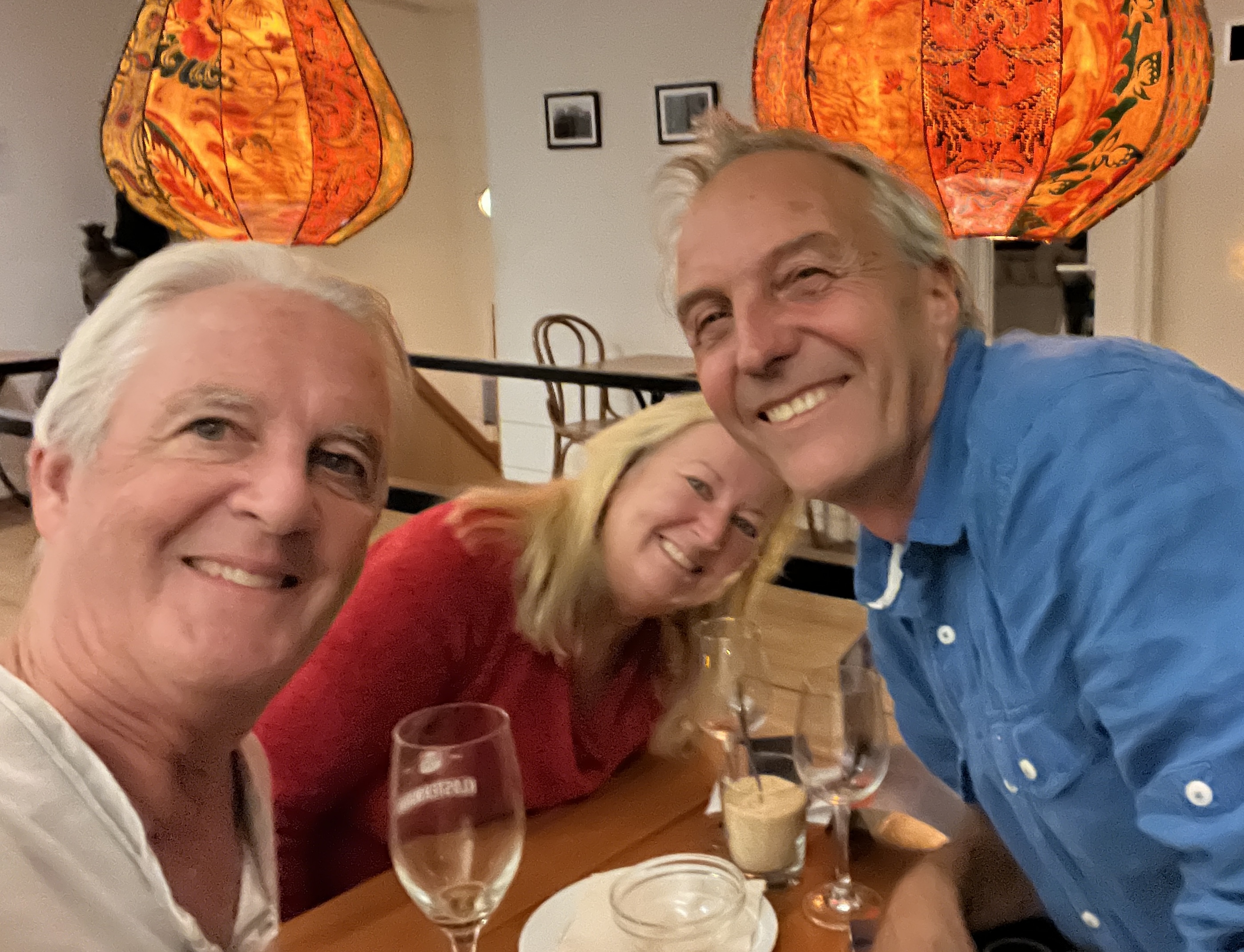
We spent a were particularly fortunate to couple of hours with journalist Nick Thorpe of the BBC who has lived in Budapest since the fall of Communism and is the BBC’s go-to reporter for all things Central Europe.


Serbia

We made quick stops in Novi Sad and Belgrade, but neither felt like a place we’d rush back to. Before the trip I tried to get a handle on the region’s tangled past and worked through John Connelly’s 1,000-page book From Peoples into Nation about the history of Eastern Europe. Holy cow, it’s complicated!
Belgrade sits at a strategic bend of the Danube and has been taken – sometimes repeatedly – by Celts, Romans, Byzantines, Bulgarians, Hungarians, Ottomans, Habsburgs, Serbia, Nazi Germany, and the Soviets. No city in Eastern Europe has been passed between empires more often.
People we spoke with were glad to be tied to Europe but still very anti-NATO. Hard to blame them: during the 1998–99 Kosovo War, Belgrade (then part of Yugoslavia) was hit more than any other city in the 78-day NATO bombing campaign.
Bulgaria
We made a couple of stops in Bulgaria (Vidin and Rousse) on our way to Bucharest. Didn’t do any serious touring or see anything memorable. Though I did learn that they shake their head for yes and nod for no. I guess we can’t criticize as lots of people these days “yeah, no” when you ask them a question!
Romania
Finally, we spent four nights in Bucharest, a city of striking architectural contrasts. After 25 years of Soviet influence, it had become a swollen industrial capital. When Ceausescu came to power in 1965, he maintained a Communist regime but initially courted the West for political and economic favors. By the mid-1970s, he entered a megalomaniac phase. Following a devastating earthquake, he bulldozed entire neighborhoods and historic districts to make way for the Palace of the Parliament, an enormous structure second only to the U.S. Pentagon in size. The main halls are adorned with five-ton chandeliers, each featuring 7,000 bulbs. While the Parliament building in Bucharest looks impressive in photos, the Budapest Parliament is about 20 times larger by floor space!

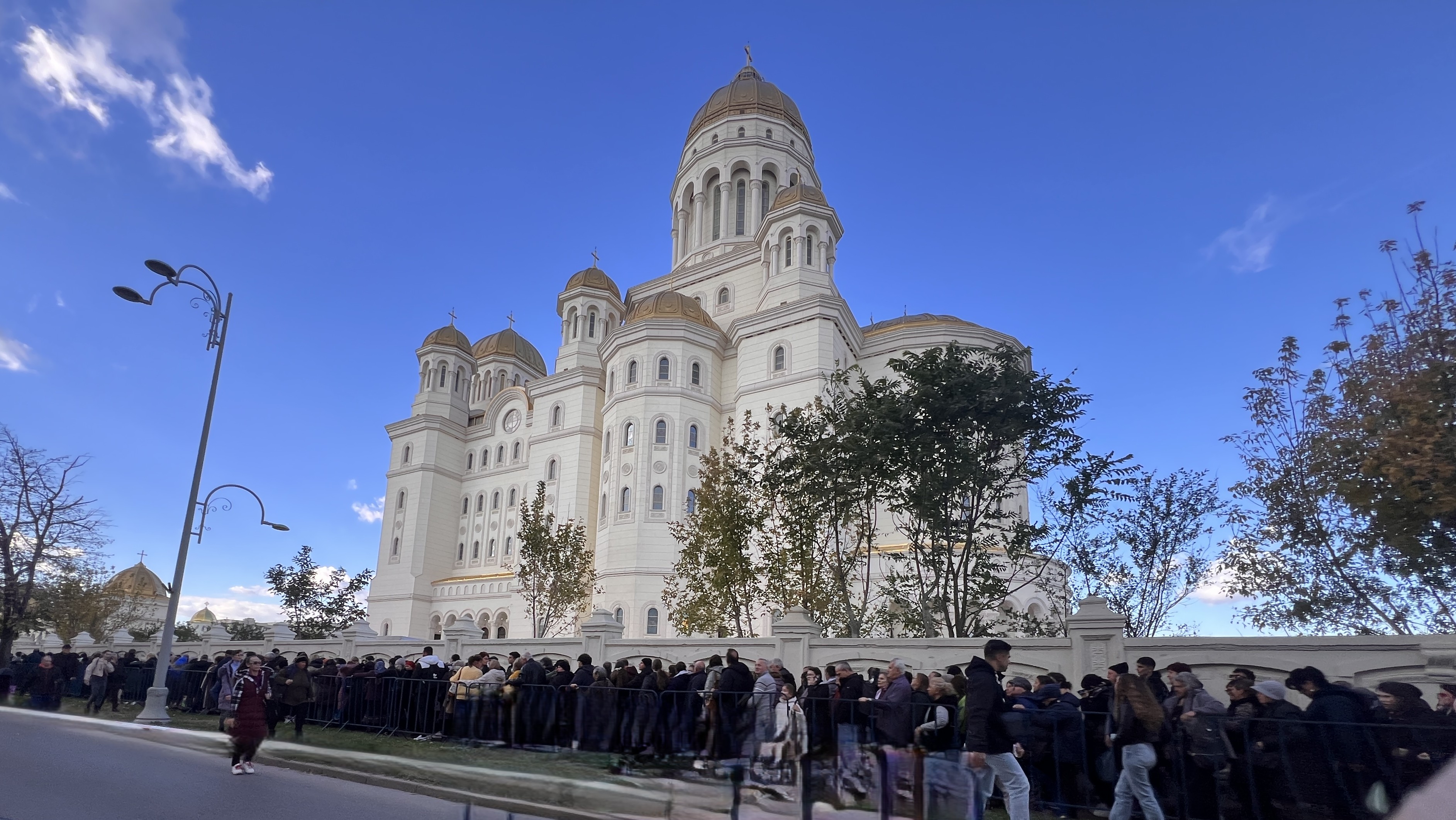
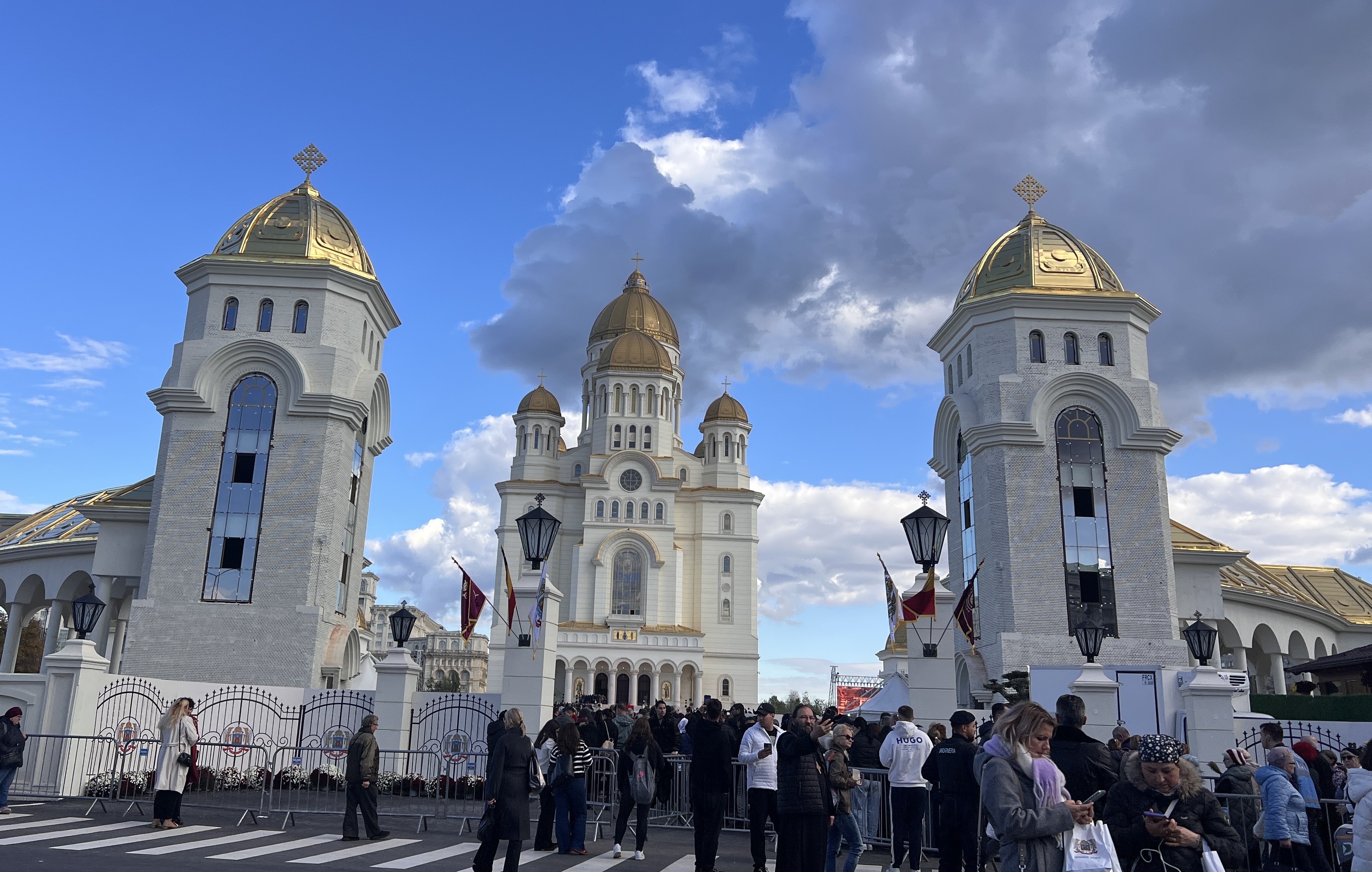
Perhaps not to be outdone, Romania’s Orthodox Church built the Cathedral of the Salvation of the Nation, the largest Easter Orthodox church in the world, right next to the Parliament and it opened the day we arrived. At and estimated cost of $300 million (mostly from the government), it was to be a statement about Romania’s Orthodox Christian heritage. We thought perhaps we should see it since it just opened, but the line to enter was 2 hours long (with no beer vendors).
The rest of the city? Meh. Newer, more polished districts sit in the north; elsewhere it’s a hodgepodge of mismatched streets and neighborhoods. One exception is the massive boulevard Ceausescu built to mimic Paris – made a few millimeters wider than the Champs-Élysées simply because he could.
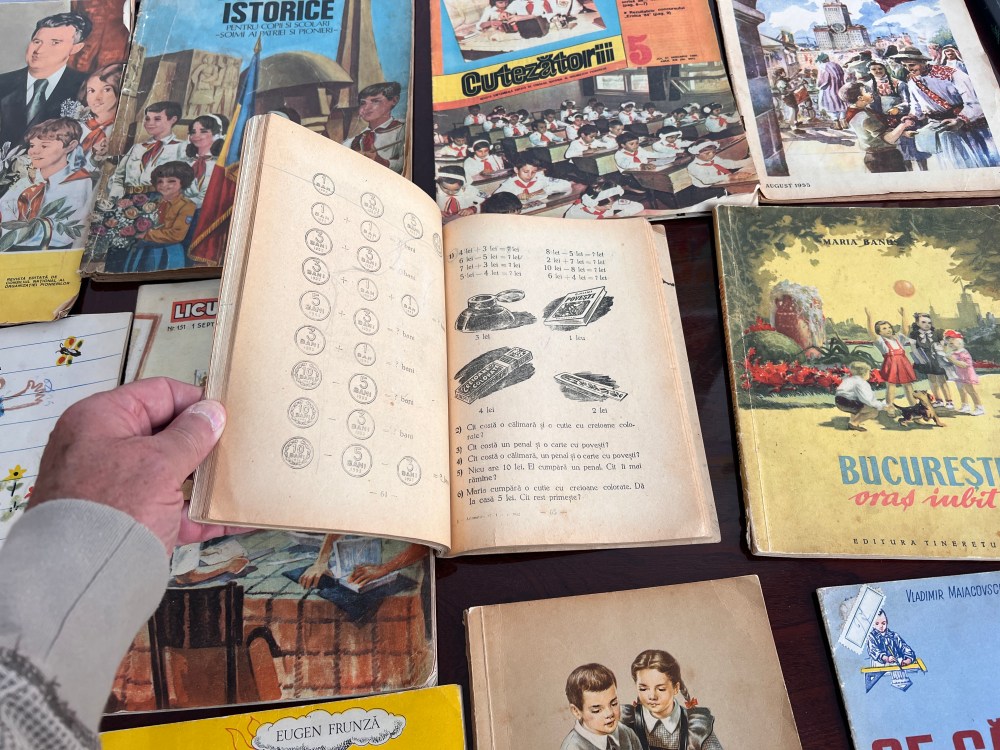
Bucharest’s “Old Town” is small and heavily touristy: a few blocks of bars, shops, and mostly forgettable restaurants. That said, it does house a small, privately run Museum of Communism that’s worth a stop. It’s essentially a walk through everyday life in 1980s Romania—food jars, old appliances, ration cards, cheap furniture, propaganda books, and blunt explanations of how people actually lived. Everything is hands-on; you can pick up and handle the objects. Maybe a little kitschy, but I found it genuinely fascinating!
Final Thoughts
In the end, despite a bit of schlepping, we very much enjoyed the trip. Our favorite cities were Budapest, Prague, and Warsaw. As with our tour of Israel, spending time in the region also helped us better understand the news when it breaks—such as the current unrest in Bulgaria. In Israel, we spent time with a journalist and found it especially enlightening. I managed to do the same in Central Europe through the journalist.net website, which I highly recommend as a way to get a feel for local politics and the public mood.
 D & D Adventures