Strange as it may seem, neither of us had ever been to Alaska. We love to be home in Connecticut so much in summer that we’ve seen more of the southern hemisphere than the northern. Since retirement, we’ve been willing to give up 3 weeks of our summer to visit some places we haven’t – East Greenland, then Northern Europe, this year Alaska. We invited Debra’s father Jimmy, and our 14-year-old grandson Jack to the ship with us and boarded in Vancouver.
The southern part of Alaska (the panhandle) isn’t what I expected. The cruise industry has turned stops like Ketchikan, Wrangell, and Juneau into complete tourist towns – store after store of jewelry, furs, tacky art, and souvenirs. Get this – Ketchikan has a population of 7,000 and most summer days has 9,000 cruise visitors who are just there for the day. We don’t sail every night like they all do, so it was amusing to see these towns when all the cruise ships left and the locals closed their shops to relax at a local watering hole. We did all the compulsories with Jack and Jimmy – seaplane, black bears, bald eagles, fishing, whale watching, kayaking, and even a lumberjack show (emphasis on “show”).


Of special note though was a train ride up through the White Pass on the old Yukon route. In 1896, almost 50 years after the California gold rush, in the midst of a depression, gold was discovered in the Canadian Klondike [still love Klondike bars – ed.]. Trouble was, getting there required a boat trip from Seattle to Skagway, Alaska, then a treacherous 20 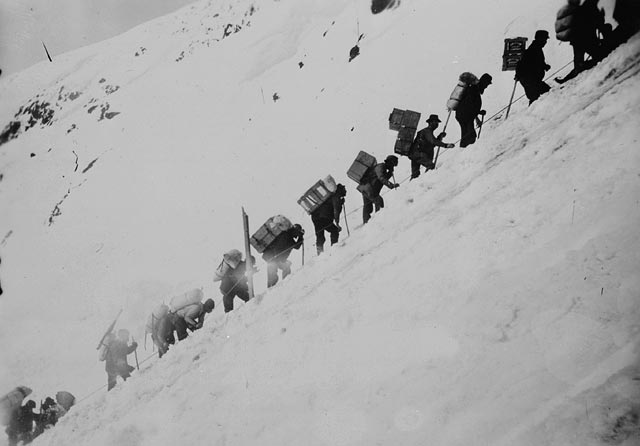 mile climb over a 3,000 foot, snow-covered mountain, then a 550 mile boat trip through a lake system to the Yukon river. But wait, there’s more! As they entered Canada, the Royal Mounted Police checked to make sure each of the tens of thousands of prospectors had enough supplies with them to survive a year on their own. Each person was required to carry one ton of supplies the summit. Think about that. 100 pounds per trip for 20 trips, and hope that your supplies weren’t stolen in the month or two it took! In the winter of 1898-1899, 30,000 prospective miners who made it over the mountain, spent the winter in Bennett, Canada building boats for the 550 mile lake trip to the gold.
After a couple of years, a private railroad through the pass was built and with the help of 450 tons of dynamite, finished in the summer of 1900, just about the time the Yukon ran out of gold. The line is designated an International Historic Civil Engineering Landmark along with the Eiffel Tower and Statue of Liberty. Despite grades up to 3.9%, it took 110 miles of track to cover the 20 miles and a bridge that was the tallest supported bridge in the world at the time. Today the line is operated as a tourist train (to nowhere) – well worth the time, as is the story of the Yukon gold rush.


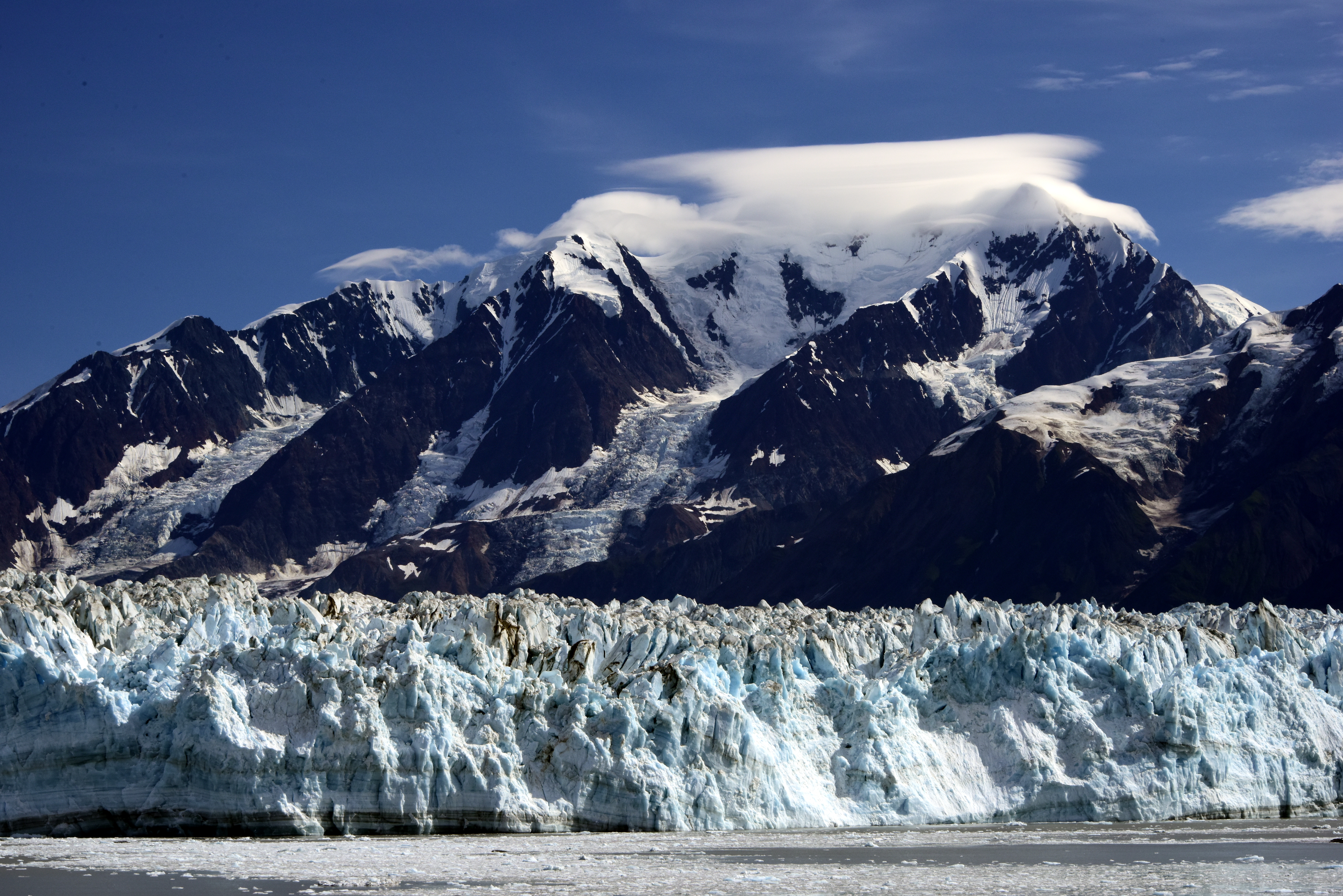
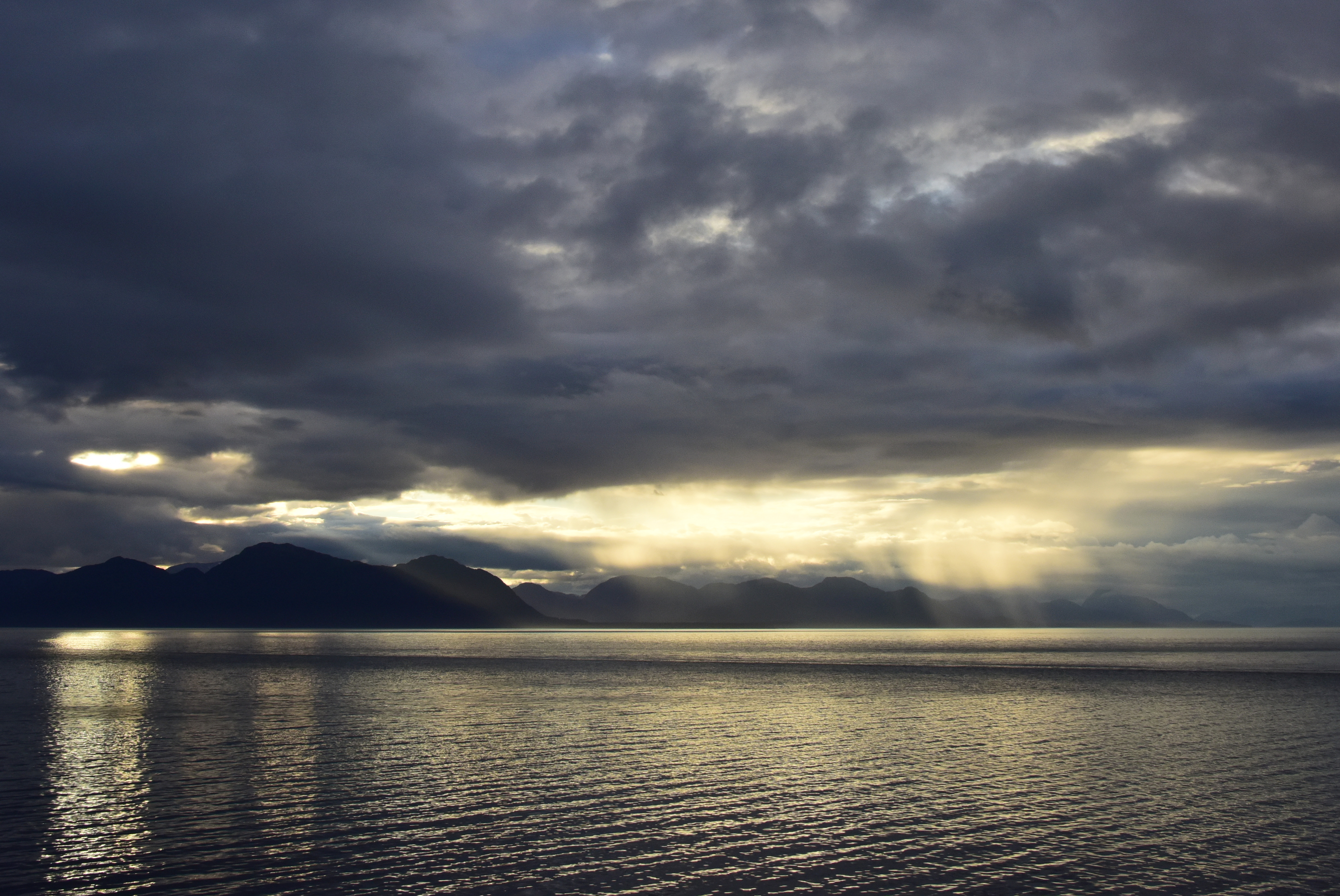
We said goodbye to Jack in Juneau and headed further north to Anchorage. This was more of what had expected of Alaska. Towering mountains rising from the sea, enormous glaciers, and beautiful late-evening sunsets.
I made a 7 minute video to help Jack and Jimmy remember the trip:
 D & D Adventures
Hello Debra & Dave,
what nice trips ! We follow your different journeys with great interest and …”envy” !
This last one in Alaska seems so exciting ! : history, mountains, glaciers, colours…and people !
We try to write to you several times, but we don’t know if you received our mails ? thank you to tell us if we have the good email address.
Soon in Paris ?
kind regards,
Marion & Christian
valadech@aol.com
LikeLike