From Mumbai, we started our trip southwest across the Indian Ocean.
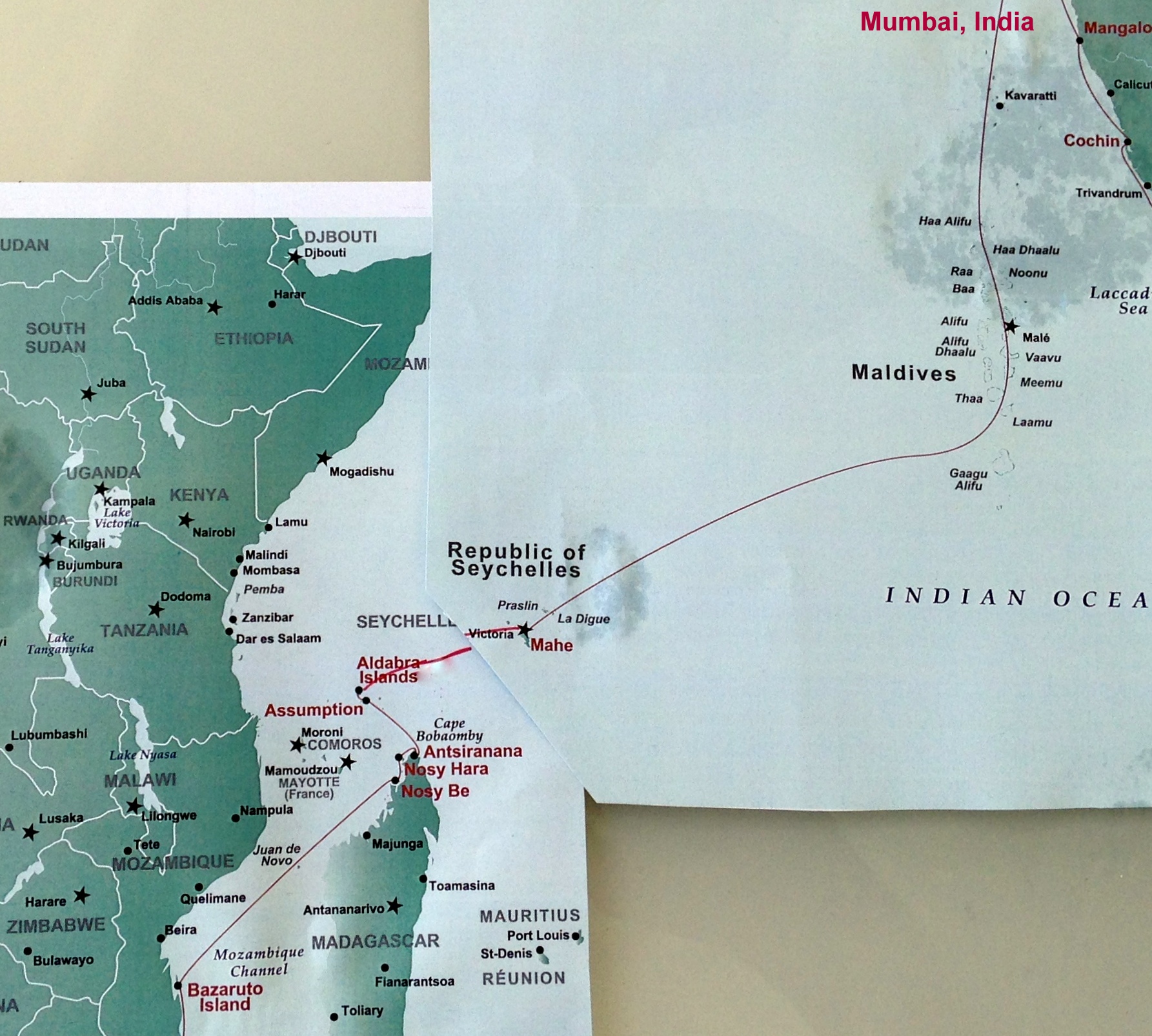
Feb/Mar Route
I guess I didn’t realize that even going directly from Mumbai to Madagascar was over 3,000 miles. We stopped at some Indian islands in Lakshadweep, then the Maldives, then the Seychelles on the way. Along the way, I learned how flying-fish fly, what an atoll is, and the difference between a tortoise and a turtle.
Lakshadweep, India
First we headed south and stopped at three beautiful Indian islands in Lakshadweep. Turquoise water, beautiful white sand, coral reefs, and multi-colored fish were abundant on each. But no alcohol was allowed, and women had to be covered if they left the beach. Imagine how that went over with us!
Worse, I ruptured my eardrum while scuba diving at the first island. Then, I went snorkeling with Debra to ensure an inner-ear infection. Thanks to a great doctor on board, all is well – but I couldn’t get my ear wet for the rest of the crossing. Bummer.
On one Zodiak ride to the beach, we were followed by a number of flying fish who tracked alongside of us for about 100 yards. I couldn’t get a picture, but did discover that they don’t really “fly” with their fins – they flap their powerful rear fin at a pace that propels them into the air and glide with their side fins. As they glide back to the water, their rear fin “kicks” again, and they hopscotch across the surface as if they’re flying. Amazing!


Maldives
Another day of sailing south brought us to the Maldives. This is a country made up of over 1,100 islands over an area of 35,000 square miles. Most amazing, the HIGHEST point is 7’10” above sea level – the average elevation is 4”11”, which is about the height of our living room floor at home. Global warming is surely on their mind!
How did they survive the great tsunami of 2004? Well, they didn’t entirely. But these islands are atolls – underwater mountains that grew coral around them, then collapsed, leaving rings of coral surrounding giant beautiful lagoons of turquoise water. Beyond these rings, the depth drops dramatically, which buffered the islands from the build-up of a tsunami wave (and also prevented us from anchoring).
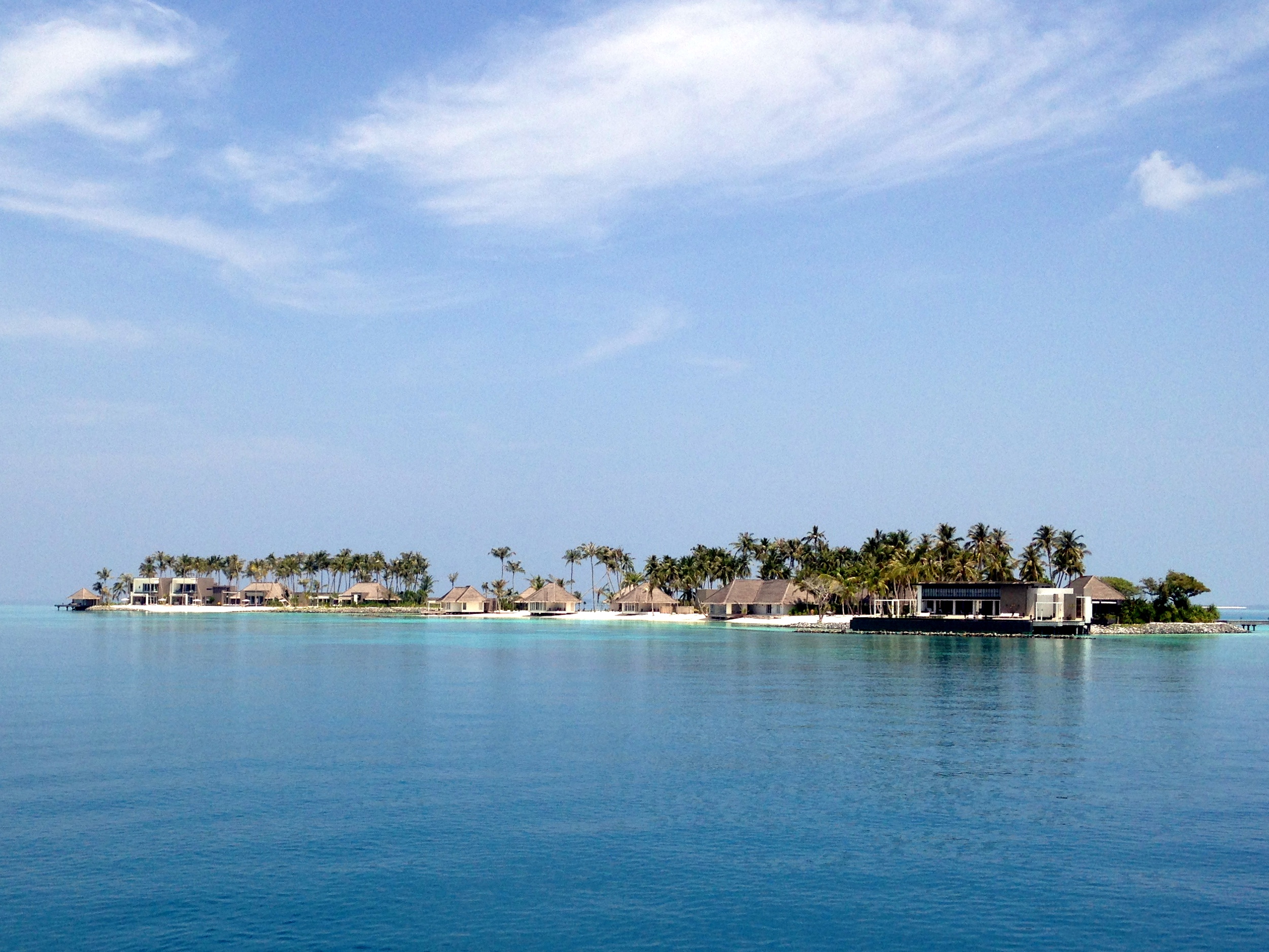
Cheval Blanc Resort
I wasn’t feeling well due to my ear, so we didn’t really do much in the Maldives. But we did go ashore for lunch at the new Cheval Blanc resort on Randheli. It is maybe the most luxurious (and expensive) resort we’ve ever seen. Watch for this brand of new extreme-lux hotels from Louis Vuitton if you want to spend some money!
Pirate Country
The Indian Ocean became notorious a number of years ago for its piracy. Most originated in Somalia, and focused on kidnapping for ransom.
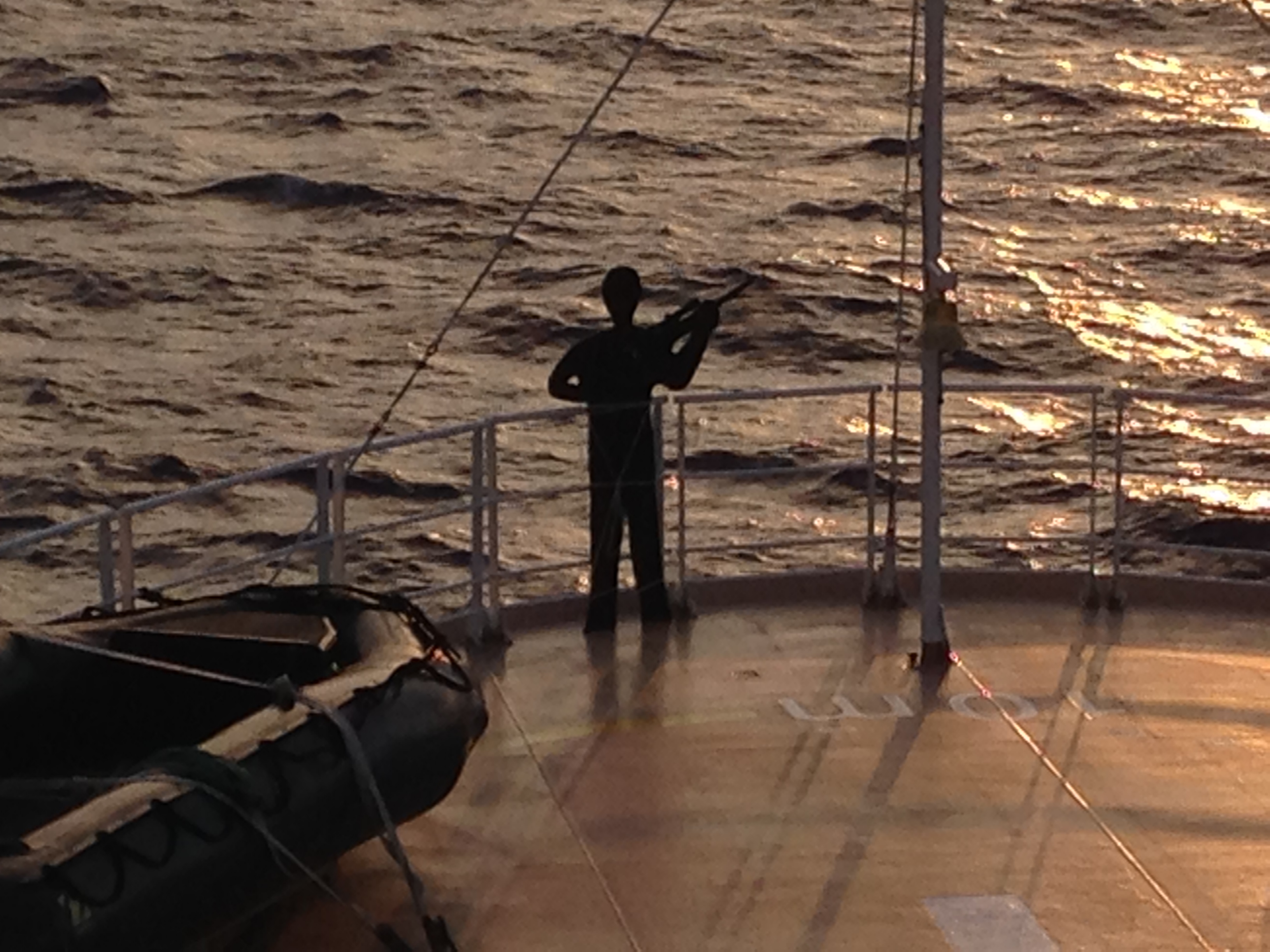
Decoy Defender
As ships and governments started to avoid the East African coast, the pirates started extending their reach, using freighters as “mother ships” and sent swarms of smaller craft to attack. Fortunately, to date in 2015 there have been no security “events” in the area.
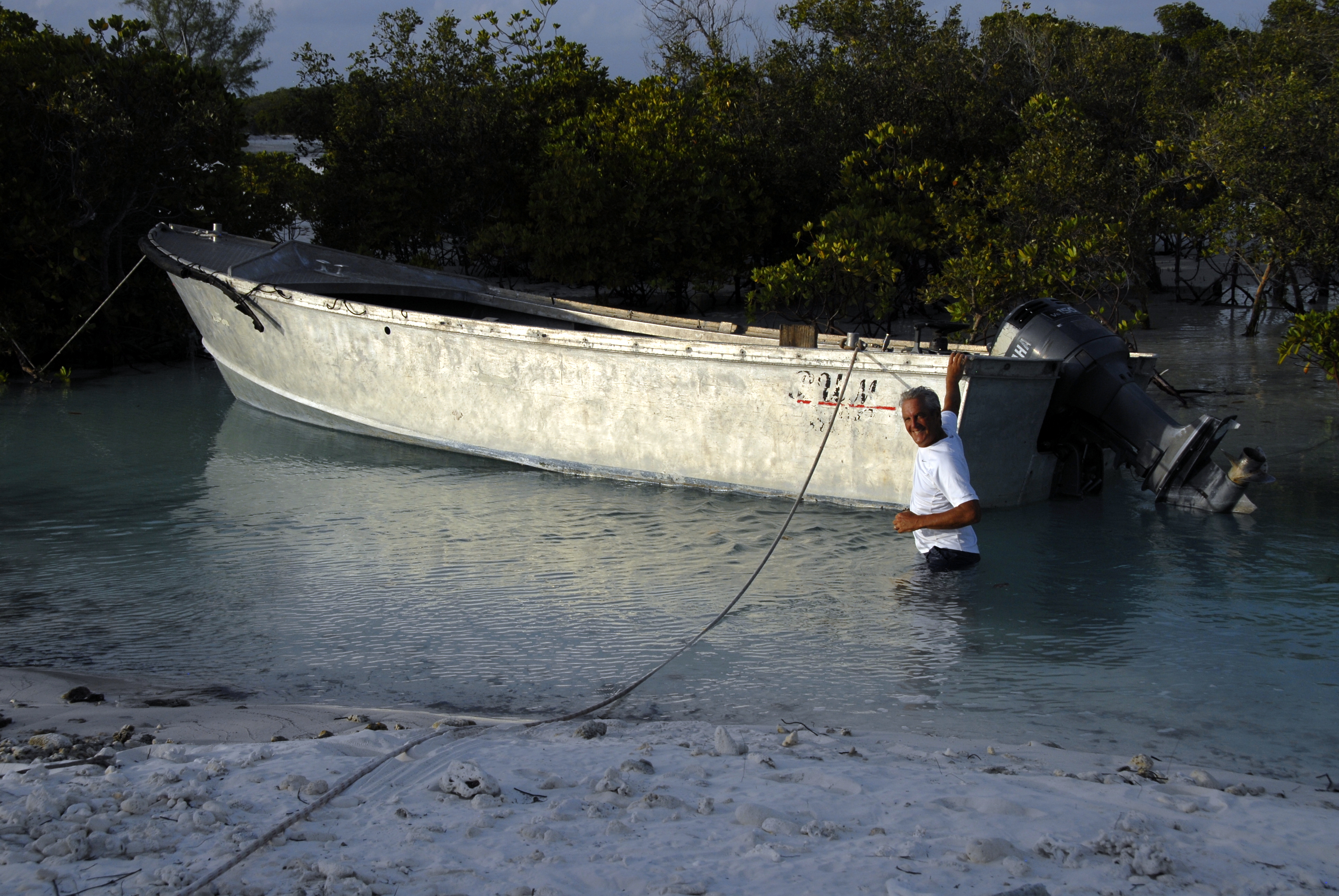
Captured Pirate Ship
But in the interest of safety, the ship brought on extra security personnel (think Rambo-types), deployed sandbags and decoy armed guards, and we used our blackout curtains at night as a precaution for the crossing. With expert marksmen and sniper rifles that have a range of 1,000 yards, we all felt safe. I did have my new GoPro camera ready to film a hijacking attempt for the blog – but sadly, I have nothing to show.
Seychelles
The trip from the Maldives to the Seychelles was a full 4 day voyage. We had a great speaker (ex-senior CIA official), played a lot of cricket (Debra scored 14 runs one day), and I played soccer with the much younger, faster, more talented crew.  I did score 3 goals in 4 games, but also got a very large bruise on my shin that fascinated all. It didn’t make them go any easier on me though.
The Seychelles are a mere 115 islands and aren’t what I was expecting. I thought they’d be flat atolls and sandbars like we saw in the Maldives. Apparently the three we visited were of the 45 that are “granite” islands with much more topography than the coral islands I was envisioning.
The third one we visited, though, was Aldabra, an enormous atoll that is entirely a nature preserve. Only 20 researchers live on the island along with many rare species of birds and a large population of giant tortoises. Sea turtles live in the ocean, but lay their eggs in the beach. Tortoises live entirely on land. We saw both.
We’re not bird, animal, or fauna people, but we had a couple of National Geographic photographers on board giving lessons and tours, so I decided to be a bird man for a day. (I know most of you know that would be an ornithologist, but I wanted the grandkids to understand). Debra makes fun of the excitement in the video below – but I think I’ve got potential (yawn). Maybe when I retire.


When we got to the tortoises, I decided it was time for a little fun (they’re more boring than birds), so I tried to get some unique video perspectives with my new GoPro camera. And when I heard that there were sharks in the water, I waded in to video them too – but it was a bit murky from the tidal shift.


A 7 minute video of the entire crossing including Madagascar.
 D & D Adventures
I really like the bird pics and am glad you didn’t get to use your gopro for a kidnapping movie…though I’m sure it would’ve been a great video.
LikeLike