After sailing from Korea, our first stop in China was Dalian, the northern-most warm water port in China.
We did a little touring and had some great food. While shopping one day, we had lunch at a dumpling restaurant called Din Tai Fung. The food was spectacular. So good, we came back for dinner – a first for Debra I think. We met one of the owner’s family and learned that they actually are a very large “chain” that originated in Taiwan and that they have restaurants all over the world including NYC. Their dumplings, for which they are renowned, have both meat and broth inside and are scrumptious. Every dish and every side was perfectly done. Check for one in your neighborhood, the food is awesome!
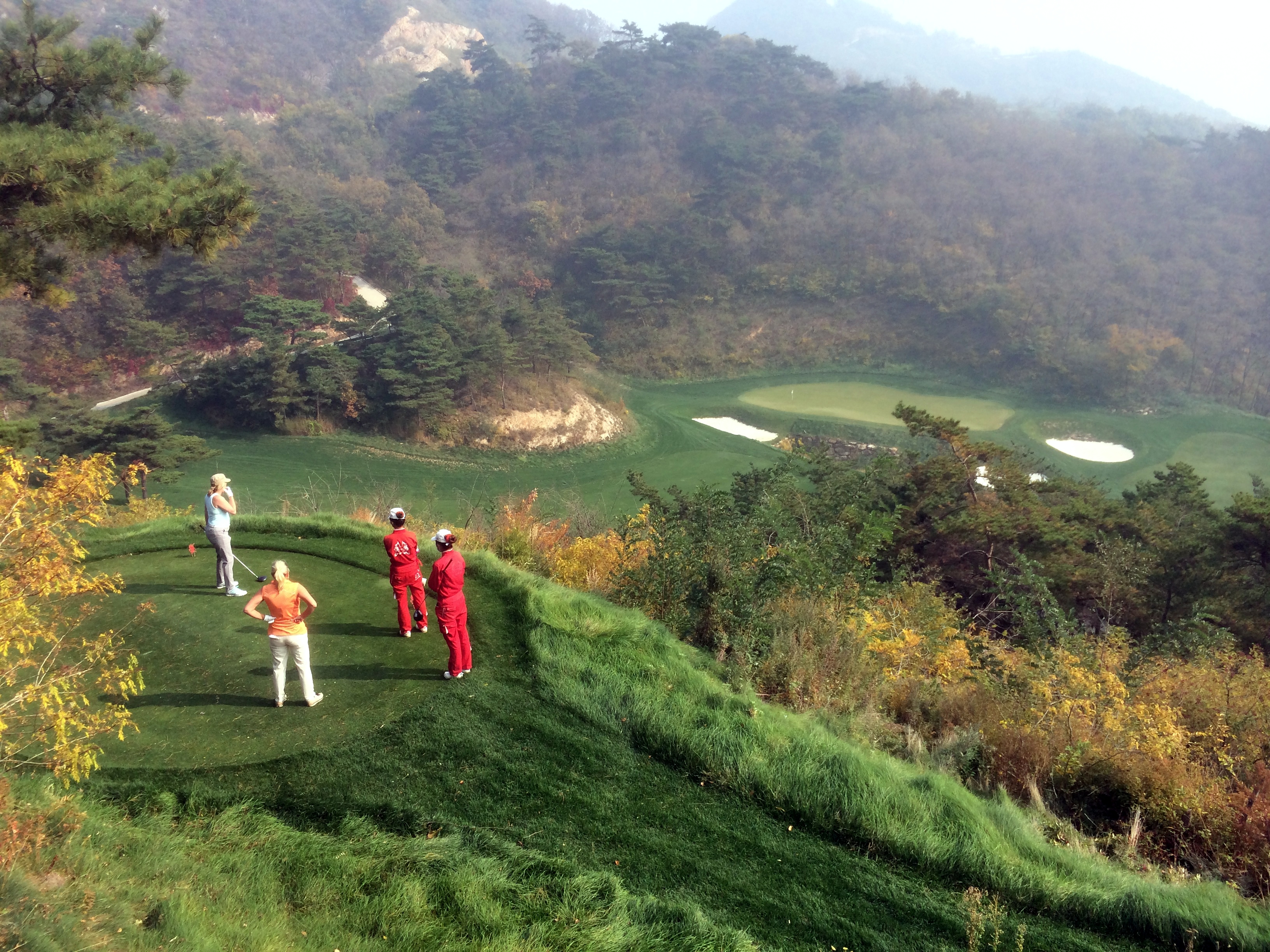
A 250 foot drop to the fairway
Another highlight was golf at The Unicorn Course in a resort west of the city. By “resort” I mean, that’s what they intend. As with many areas we saw, local governments often sponsor what we called “build it and they will come” areas. Out of nothing (or after displacing many), new buildings, roads, parks, apartments spring up in advance of any real demand. Some become thriving new communities, some sit as ghost towns for years.
Anyhow, the course was beautiful, or would have been if not for the air quality. What was unique about it was the vertical terrain that it covered. I estimate the highest tee box was 1000 feet above the lowest part of the course. I can’t imagine what it cost to build, but it was a real adventure.
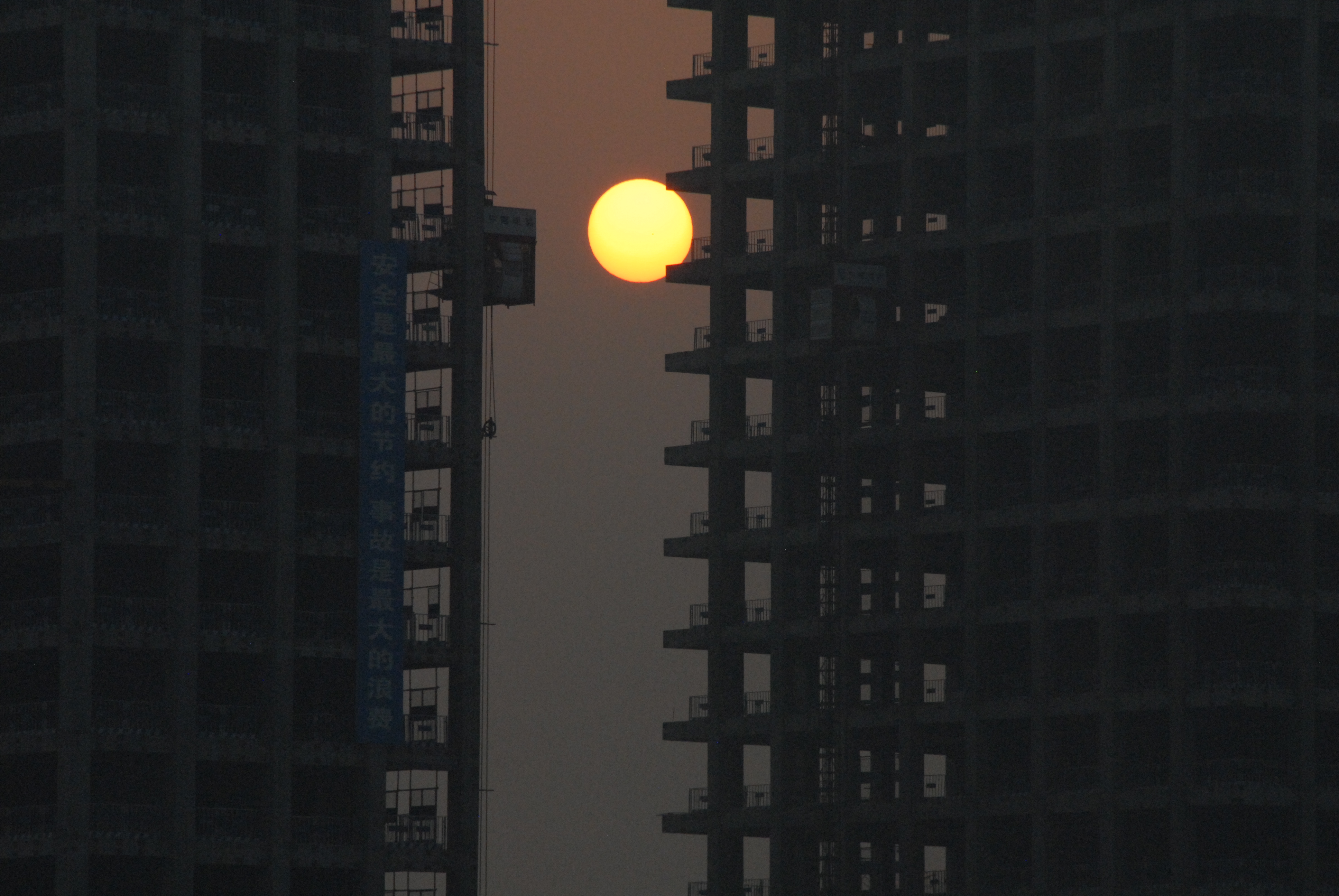
…unless edited in Picasa

Smog so bad, even the sunrise is sad…
After Dalian, we docked in Tianjin, an industrial port that is closest to Beijing. We visited a couple of factories from my working life, but the pollution was too bad to stay.
So we headed to Beijing for a couple of days. We’d both been to Beijing multiple times before, but always working. I’d never seen the sites – I hadn’t even been to the Great Wall.
To make the most of our time there, we hired a tour guide and had two very educational days. First stop was Tiananmen Square, best known by Westerners as the site of the June 1989 massacre when the government cracked down on protestors. Our guide was great, but made no mention of the event. Instead he pointed out that it has a rich history as the epicenter of Chinese historical events since its construction in 1651, from the days of the emperors, thru the revolution of 1919, and the formation of the People’s Republic of China by Chairman Mao in 1949. Security to get into the square was very tough, especially if you had a bottle of any kind. If you did, the police made you drink part of it in front of them – hmmm. Turns out, they worry about people bringing in gasoline and self-immolation. Not your typical football stadium for sure!
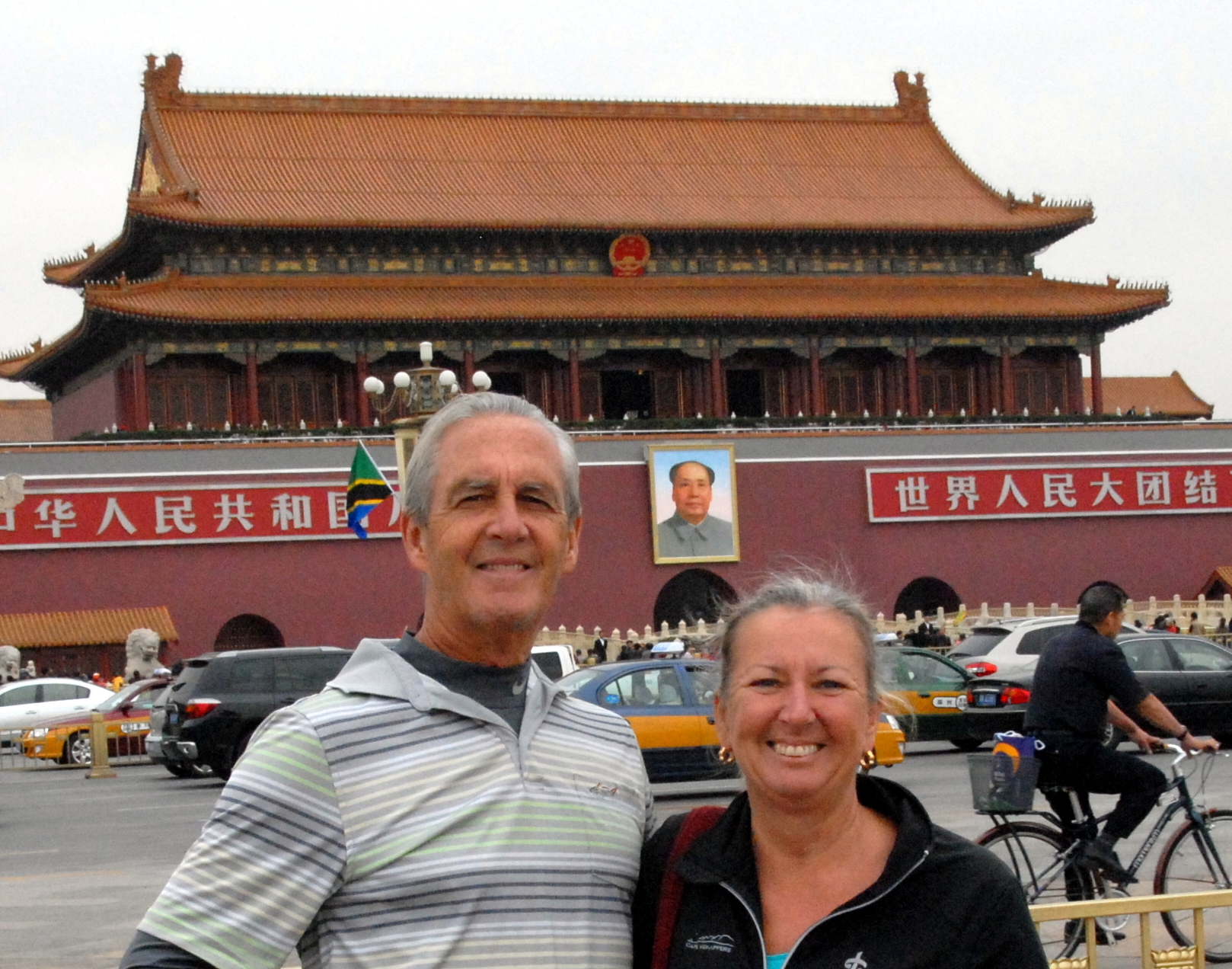
Debra with two former Chairmen
Next we spent a couple of hours touring the Forbidden City, the Chinese imperial palace from 1420 to 1912 when the “Last Emperor” gave up the thrown (he was 7 years old, probably didn’t understand real estate well). It reportedly took a million workers 14 years to complete – we all know how that can happen on a big project. I have to say, there’s no better way to get an appreciation for history than to have a good guide and BE there in person. Walking through this place would have been boring; our guide made it come alive.
The next day we went to the Great Wall. Again, we took the guide and enjoyed the learning more than the Wall itself. There have been many walls going back to feudal times in the 7th century BC. It was only after Qin, the first emperor conquered most of his neighbors that they were connected. But those walls are long gone, most were made of wood and mud. The wall most of us know about was built in the 14th century, during the Ming dynasty. It was about 5,500 miles long and made of stone. To build it, every family had to provide a son to work. At the peak, they could build 1.5 miles per day! It’s hard to imagine the logistics required for that pace of construction, especially when looking at the mountains and terrain this wall crossed. Time, erosion, and tree growth have destroyed the vast majority of the wall. What we saw was almost all rebuilt for tourists. But impressive never-the-less.


Our last stop before coming home was Shanghai. I first came years ago after visiting more remote cites in China. Unlike the interior, this city had a vibe of modern excitement to it. It reminded me of Chicago even then. When we arrived on the ship, we got lucky and had a rare day of clear air when we arrived – the city was nothing short of beautiful. We had a lazy couple of days, trying all the local specialty foods and basking in the sun, happy to see there was still a sky when the pollution was blown out to sea.
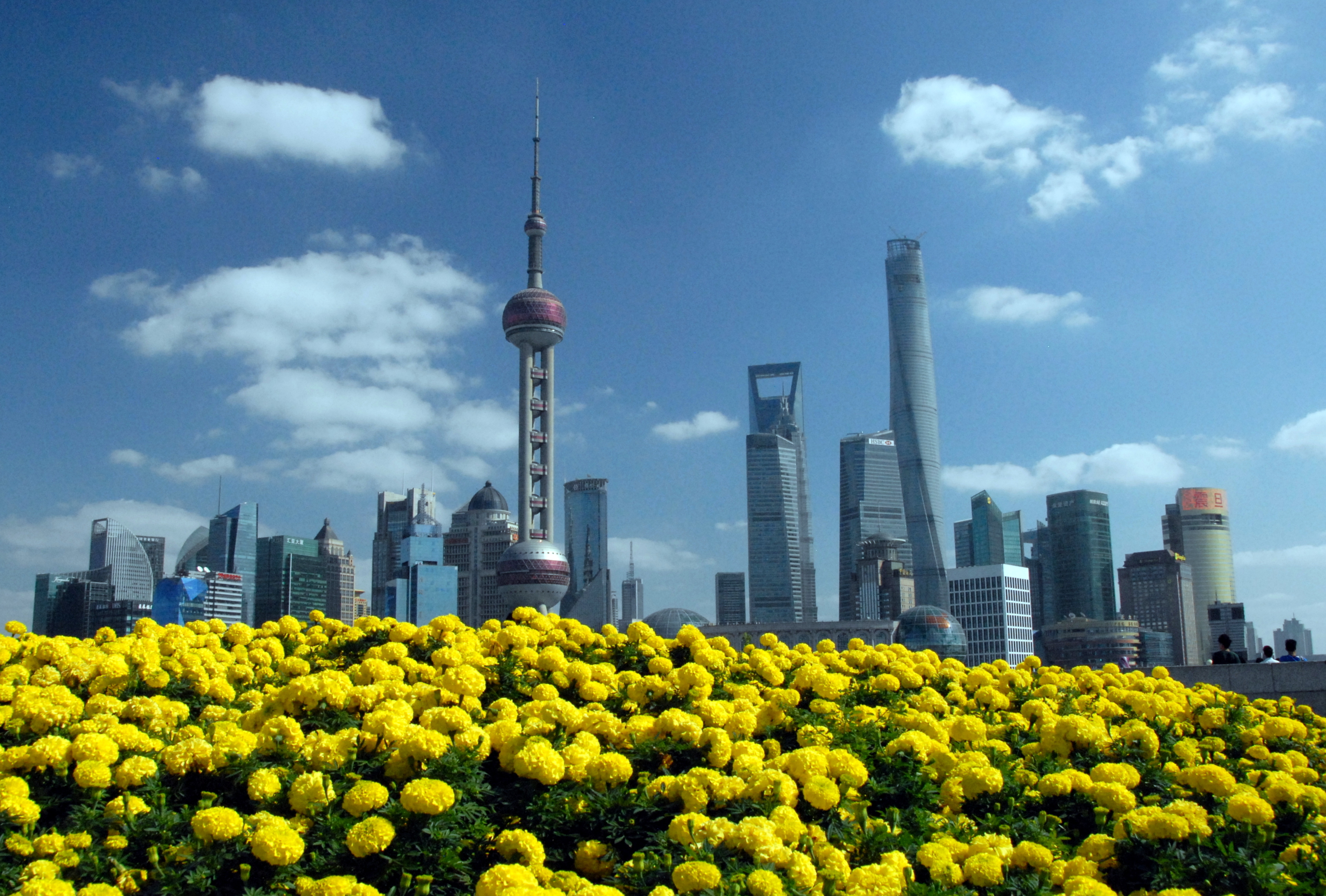
Shanghai and blue sky
China – My takeaway thoughts:
I first came to China on business in 1995 and visited a number of cities looking for potential aerospace manufacturing partners. They were about 15 years into their feeble move toward a market-based economy after years of strict central government control. While they tried hard to impress us with their capabilities, their whole world seemed a weak façade attempting to hide massive inefficiencies from decades of “full employment” even when there was no work. But there were glimmers of hope watching energetic young entrepreneurs selling goods on the streets – legally for the first time. I remember thinking, “They’ll never put this genie back in the bottle.”
What a difference 20 years make. I’ve been a number of times in recent years, but never focused on the amazing transformation until this visit. While their espoused “democracy” is also still a façade, the commercial progress is stunning. They somehow have managed years of explosive growth with more success than failure. There are problems for sure – especially the air quality which is slowly crippling them. But they know it. They’ve been able to adapt and overcome tremendous obstacles over the years, and I come away convinced they will solve the pollution problems – one plus to autocratic rule is the ability to take action.
I also had a bit of a wake-up call regarding our freedoms. I have often thought that free markets are what drives progress, growth, and happiness for most. Democracy to me can be a clumsy form of government. I can’t imagine how a company could be successful if the CEO had to run for re-election every 4 years. In fact, many countries depended upon autocratic rule in their early years to make fast progress on infrastructure, education, and other fundamentals. In Beijing I spent some time with a bright young guy who got comfortable enough with me to ask what I knew of the Hong Kong protests that were underway at the time. Google is blocked, as are most sources of information that don’t fit the government guidelines. 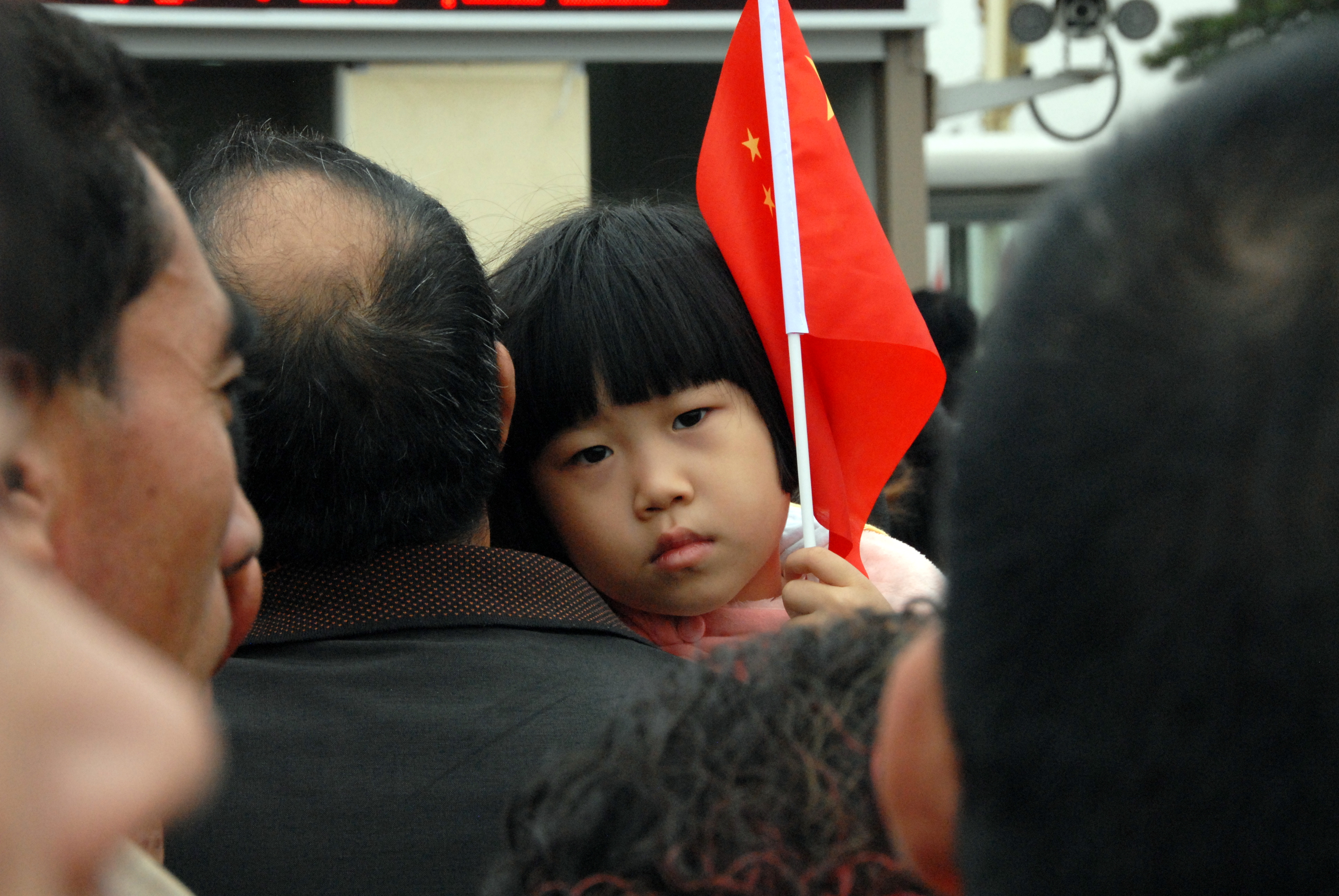 I told him what I knew, and then talked about my view of the great progress the country has made without the democracy he longed for. I told him that Bill Clinton once asked the Prime Minister of India why his country had fallen so far behind China over recent decades. The Prime Minister’s response was, “India has too much democracy”! My new young friend got emotional and said, “Progress is good, we do have a better life than our parents, but it needs to be balanced with personal liberties. Don’t you understand that here, people are arrested for what they think, or disappear overnight for something they said?” Ouch. A global moment for me, consider me properly spanked. I’ve come to take our freedoms for granted.
An 11 minute video of our time in China (golf, tour highlights, calligraphy, silk making, beggar’s chicken):
 D & D Adventures